Bathroom Remodeling
Bathroom Remodeling Contractors
Bathrooms built to last, designed to impress.
Call (352) 710-5455Protech Construction delivers expert bathroom remodeling services across Hernando, Pasco, and Citrus counties. From guest bath refreshes and tub-to-shower conversions to full master suite transformations, we handle every phase of bathroom construction: plumbing, electrical, waterproofing, tile, vanity installation, and finishing. In Florida's humid climate, proper waterproofing behind every shower wall and floor is not a luxury; it is the difference between a bathroom that lasts 20 years and one that develops mold and structural damage in 5. We build it right. Call (352) 710-5455 for a free bathroom consultation.
Bathroom Remodeling Costs in Hernando County
Bathroom remodeling costs depend on the size of the space, the scope of work, and the materials you choose. Here is what Hernando County homeowners can expect in 2026:
- Basic refresh ($7,000 to $15,000): Cosmetic updates including new paint, replacement fixtures (faucet, showerhead, towel bars, toilet), new vinyl or LVP flooring, and updated lighting. Existing layout, plumbing, and tile stay in place
- Mid-range renovation ($14,000 to $30,000): New vanity and countertop, porcelain or ceramic tile on floors and in the shower, new shower fixtures, updated plumbing connections, new lighting and ventilation, and fresh paint. May include layout tweaks like moving a vanity or converting a tub to a walk-in shower
- Full custom renovation ($25,000 to $45,000+): Everything is new. Custom tile shower with frameless glass enclosure, custom or semi-custom vanity, stone countertop, heated flooring, relocated plumbing, new electrical, and complete reconfiguration of the space
Individual Component Costs
- Custom tile shower (including waterproofing): $6,000 to $12,000 depending on tile selection and shower size
- Frameless glass shower enclosure: $1,500 to $3,000
- Vanity and countertop: $800 to $4,000 depending on size and material
- Tile flooring: $10 to $44 per square foot installed for ceramic and porcelain; $27 to $114 for glass and natural stone
- Plumbing rough-in and fixtures: $1,500 to $5,000 depending on scope of modifications
- Electrical (new circuits, ventilation fan, lighting): $800 to $2,500
Labor costs in Florida have increased 6 to 10 percent from 2025 to 2026. Licensed plumbers in our market command $85 to $175 per hour, and electricians charge $60 to $145 per hour. These costs are reflected in our estimates, and we do not use unlicensed labor.
Tub-to-Shower Conversions: The Most Requested Bathroom Upgrade
More than 55 percent of homeowners now prioritize a larger walk-in shower over keeping a bathtub in the primary bathroom. This is the single most requested bathroom renovation we see in Hernando County, and for good reason.
A standard bathtub-shower combination occupies a 5-foot by 30-inch footprint and wastes most of that space. A walk-in shower built in the same footprint (or slightly larger if space allows) provides a more usable, more accessible, and more visually appealing shower experience. For homeowners over 50, stepping over a high tub wall is a genuine safety concern that a curbless or low-threshold walk-in shower eliminates.
Tub-to-Shower Conversion: Step by Step
- Remove existing tub, surround, and associated plumbing trim
- Modify drain location (tub drains and shower drains are in different positions)
- Build new shower pan with proper slope to drain (minimum 1/4 inch per foot per code)
- Install cement board backer on all shower walls
- Apply commercial-grade waterproofing membrane (Kerdi, RedGard, or equivalent) to all shower walls and floor
- Allow waterproofing to cure 24 to 48 hours
- Tile shower walls and floor
- Grout, seal, and cure
- Install frameless glass enclosure, glass panel, or curtain rod
- Add shower bench, niche (built-in shelf), and grab bars as desired
- Connect shower valve, showerhead, and any body sprays
A standard tub-to-shower conversion costs $7,000 to $15,000 depending on tile selection, enclosure type, and whether plumbing needs to be relocated. We complete most conversions in 2 to 3 weeks.
Master Bath vs. Guest Bath: Different Budgets, Different Priorities
Not every bathroom in your home needs the same level of investment. Understanding where to spend and where to save helps you get the most value from your remodeling budget.
Master Bathroom (Primary Bath)
This is the bathroom you use every day, and it is the one that buyers evaluate most carefully at resale. A master bath remodel is where premium materials and features deliver the most benefit:
- Walk-in shower with bench seat, built-in niches, and frameless glass enclosure
- Double vanity with quartz or granite countertop
- Large-format porcelain tile on floors
- Heated flooring (electric radiant mats under tile, $600 to $1,500 installed)
- Rain showerhead with handheld sprayer
- Comfort-height toilet
- Proper ventilation (1.5+ CFM per square foot)
Budget: $18,000 to $45,000 for a comprehensive master bath renovation.
Guest Bathroom (Hall Bath)
Guest bathrooms are used less frequently and by visitors rather than the homeowner daily. Smart budget allocation here means spending on durability and cleanliness rather than premium features:
- Tub/shower combination (guests expect a tub option) or simple walk-in shower
- Single vanity with durable quartz or solid surface countertop
- Standard porcelain tile on floors and in tub/shower surround
- Good lighting and ventilation
- Standard-height toilet
Budget: $8,000 to $20,000 for a solid guest bath renovation that looks great without overinvesting.
Half Bath (Powder Room)
A powder room remodel is one of the highest-ROI bathroom projects because the room is small (typically 20 to 30 square feet) and the scope is limited to a pedestal or floating vanity, toilet, mirror, lighting, and paint or accent wall. Budget: $3,000 to $8,000. Because the investment is small, you can use higher-end finishes (a statement mirror, designer faucet, or wallpaper accent) without significantly impacting the total cost.
Shower Types and Enclosures
The shower is the centerpiece of any bathroom remodel, and the type you choose affects both the budget and the feel of the finished space.
Alcove Shower (Three-Wall)
The most common shower configuration in Florida homes. Three walls define the shower, and a glass door or curtain closes the fourth side. Cost-effective and space-efficient. Typical cost for a tiled alcove shower with glass door: $5,000 to $10,000.
Corner Shower (Neo-Angle)
Fits into a corner of the bathroom with angled glass panels. Good for smaller bathrooms where a full alcove shower would dominate the space. Typical cost: $6,000 to $12,000 due to the custom glass work.
Walk-In Shower (Open Entry or Frameless Glass)
The premium option. Walk-in showers can be open-entry (no door, using a partial glass panel or strategic layout to contain water) or enclosed with a frameless glass panel and door. These require more space (minimum 42 inches wide for a comfortable walk-in) and more precise waterproofing. Typical cost: $8,000 to $18,000.
Curbless (Zero-Threshold) Shower
The entire bathroom floor and shower floor are at the same level with no step or curb to cross. This is the most accessible design and the most visually seamless, but it requires the most precise construction. The entire bathroom floor must slope toward the shower drain, which means rebuilding the subfloor in many cases. Typical cost: $10,000 to $20,000. Recommended for aging-in-place designs and luxury master bathrooms.
Waterproofing: The Most Important Part of Any Bathroom Remodel
Florida's humidity creates unique challenges for bathroom construction. Without proper waterproofing, moisture penetrates behind tile and into wall cavities, causing mold growth, wood rot, and structural damage that is invisible until the damage is severe. Every bathroom we build uses a commercial-grade waterproofing system behind all tile surfaces in the shower and on the bathroom floor.
Our waterproofing process involves applying a liquid or sheet membrane waterproofing system to every surface that will receive tile in wet areas. The membrane must cure for 24 to 48 hours before tile installation can begin. Florida's building codes require specific waterproofing measures due to the region's humidity, and we exceed those minimum requirements on every project.
We also install proper ventilation in every bathroom we remodel. A correctly sized exhaust fan (minimum 1 CFM per square foot of bathroom floor area, per code) removes moisture from the air and prevents condensation on walls and ceilings. Many older Florida homes have undersized or non-functional bathroom ventilation, which we correct during the remodel.
Bathroom Remodeling Timeline
Here is the realistic timeline for each phase of a bathroom renovation in Hernando County:
Phase 1: Demolition (2 to 4 Days)
- Remove old fixtures, tile, flooring, vanity, and shower surround
- Strip space to studs and subfloor
- Inspect for hidden issues: water damage behind tile, rotted subfloor under toilet, outdated plumbing, inadequate ventilation
- Document findings and discuss scope changes with you before proceeding
Phase 2: Rough-In Plumbing and Electrical (3 to 5 Days)
- Rough in new supply and drain lines (if relocating tub, shower, vanity, or toilet)
- Run new electrical circuits for lighting, ventilation fan, and GFCI outlets (code-required on all bathroom receptacles)
- County inspections for each trade before walls are closed
Phase 3: Framing, Drywall, and Waterproofing (3 to 5 Days)
- Complete new framing: shower niches, bench seats, relocated walls
- Install cement board on all shower walls (never standard drywall in wet areas)
- Install moisture-resistant drywall (green board or purple board) on all other bathroom walls
- Apply waterproofing membrane to shower walls and floor
- Allow 24 to 48 hours cure time before tile installation
Phase 4: Tile Installation (3 to 7 Days)
- Install shower wall tile, shower floor tile, and bathroom floor tile
- Standard porcelain installations: 3 to 5 days
- Complex designs (penny round, hexagonal, herringbone, natural stone): 7 to 10 days
- Tile cure time: 24 hours minimum before grouting
- Grout cure time: 24 hours minimum before shower can be sealed and used
Phase 5: Vanity, Fixtures, and Finishing (3 to 5 Days)
- Vanity installation and leveling
- Countertop installation (or template and fabrication for natural stone)
- Plumbing connections: sink faucet, toilet, shower valve, accessories
- Shower glass enclosure measurement and installation (frameless glass requires 5-10 business days fabrication)
- Mirror, lighting, towel bars, toilet paper holder, and accessories
- Touch-up painting and final cleaning
Phase 6: Final Inspection and Walkthrough (1 to 2 Days)
- Schedule final building inspection with Hernando County
- Walk through completed bathroom with you
- Identify and complete any punch list items
Bathroom Remodeling Services
- Walk-in shower construction with bench seats and built-in niches
- Tub-to-shower conversions
- Custom tile work: floors, walls, shower surrounds, backsplashes
- Frameless glass shower enclosure installation
- Vanity and countertop installation (granite, quartz, marble, solid surface)
- Custom bathroom cabinetry
- Toilet replacement and relocation
- Plumbing fixture upgrades (rain showerheads, handheld sprays, body jets)
- Heated floor installation
- LED mirror and lighting upgrades
- Ventilation fan installation and upgrades
- Accessibility modifications: curbless showers, grab bars, wider doorways, comfort-height toilets, ADA-compliant designs
Choosing Bathroom Materials for Florida's Climate
Florida's humidity, heat, and moisture levels put different demands on bathroom materials than drier or cooler climates. Choosing the right materials during a remodel prevents premature deterioration and reduces long-term maintenance.
Tile Selection
Porcelain tile is the best all-around choice for Florida bathrooms. It is waterproof (absorption rate under 0.5 percent), extremely durable, available in thousands of styles and formats, and resistant to mold and mildew. Natural stone (marble, travertine, slate) is beautiful but requires periodic sealing to prevent moisture absorption and staining. Ceramic tile is more affordable than porcelain but has a higher absorption rate, making it less ideal for shower floors and high-moisture areas.
For shower floors specifically, we recommend small-format tiles (2x2 inch or smaller) because they allow the tile setter to maintain proper slope to the drain. Large-format tiles on shower floors require precise pre-sloping of the mortar bed, and any imperfection results in standing water. Small tiles conform to the slope naturally because the grout joints provide flexibility.
Vanity and Cabinet Materials
Bathroom cabinets in Florida must withstand constant humidity exposure. Solid wood vanities are beautiful but can warp and swell if the bathroom ventilation is inadequate. Plywood-core cabinets with sealed finishes resist moisture better than solid wood or particle board. We never install particle board or MDF-core cabinets in bathrooms because these materials swell and disintegrate when exposed to moisture, which is inevitable in a Florida bathroom over time.
Countertop Materials
Quartz is the best countertop choice for bathroom vanities in Florida. It is non-porous, resists moisture and staining, and requires zero maintenance. Granite works well but requires periodic sealing. Marble is stunning in bathrooms but is porous and susceptible to staining from cosmetics, hair products, and standing water. Cultured marble (a manufactured product, not natural stone) is a cost-effective option for budget-conscious projects that still want the marble look.
Paint and Finishes
Bathroom paint in Florida should be a minimum of satin or semi-gloss finish for moisture resistance. We use mildew-resistant formulations designed for high-humidity environments. Flat or matte finishes are not appropriate for Florida bathrooms because they absorb moisture and develop mildew staining faster.
Common Bathroom Remodeling Mistakes
- Skipping the ventilation upgrade: The most common cause of mold and moisture damage in Florida bathrooms is an undersized or non-functional exhaust fan. Code requires a minimum of 1 CFM per square foot, but in Florida we recommend 1.5 to 2 CFM per square foot for optimal moisture removal
- Using standard drywall in wet areas: Standard drywall behind shower tile will absorb moisture through grout joints, grow mold, and eventually deteriorate. We use cement board in all shower and tub surround areas, no exceptions
- Improper waterproofing: A tile shower without a continuous waterproofing membrane behind the tile will develop leaks, mold, and structural damage within a few years. Florida's humidity accelerates this process compared to drier climates
- Choosing style over function in shower floors: Large-format tiles on shower floors look great in magazine photos but create drainage problems in real bathrooms. Proper slope to the drain is more important than tile format
- Not planning for storage: A bathroom with no storage forces toiletries onto countertops, ledges, and the shower floor. Built-in niches in shower walls, medicine cabinets, and vanity drawers should be planned during the design phase, not added as an afterthought
- Ignoring GFCI requirements: Florida Building Code requires GFCI (Ground Fault Circuit Interrupter) protection on all bathroom outlets. If your existing bathroom has standard outlets, the remodel must include GFCI upgrades for code compliance and safety
Aging-in-Place and Accessibility Features
Accessibility features in bathroom design are no longer just for aging homeowners. The National Kitchen and Bath Association (NKBA) reports that aging-in-place features have become mainstream, with homeowners of all ages choosing upgrades that make daily routines easier and safer for every member of the household.
The most common accessibility features we install:
- Curbless (zero-threshold) walk-in showers
- Strategically placed grab bars that double as towel bars (decorative finishes that match your fixtures)
- Built-in shower bench seats (tiled to match the shower walls)
- Comfort-height toilets (17 to 19 inches versus standard 15 inches)
- Wider doorways (minimum 32 inches clear, 36 inches recommended)
- Lever-style door handles and faucets (easier to operate than knobs for anyone with limited grip strength)
- Non-slip flooring surfaces (textured or matte-finish porcelain tile)
- Handheld showerhead on an adjustable slide bar (usable at any height)
These features can be integrated into any bathroom design without compromising aesthetics. In fact, many of these features (curbless showers, comfort-height toilets, lever faucets) are now considered premium design elements that add value and appeal regardless of accessibility needs.
Bathroom Remodeling Permits in Hernando County
Not every bathroom update requires a permit, but most significant remodeling work does. Here is the breakdown:
Permit Required
- Any plumbing modifications (moving fixtures, adding or removing a toilet, relocating a shower drain)
- New electrical circuits or modifications to existing circuits
- Moving or removing walls (structural or non-structural)
- Adding a new bathroom to a home (new plumbing, venting, and electrical)
- Tub-to-shower conversions that involve plumbing relocation
No Permit Typically Required
- Replacing fixtures in the same location (new faucet, new showerhead, new toilet in the same spot)
- Painting
- Replacing a mirror or medicine cabinet
- Installing new towel bars and accessories
- Replacing a vanity in the same location with the same plumbing connections
When in doubt, we verify with the Hernando County Building Department before starting work. The cost of pulling an unnecessary permit ($150 to $500) is trivial compared to the risk of doing unpermitted work that surfaces during a home sale or insurance claim.
Why Protech Construction for Your Bathroom Remodel
Bathroom remodeling requires the most precise waterproofing, tile work, and plumbing of any residential construction project. A shower that leaks behind the tile can cause thousands of dollars in mold remediation and structural repair. A tile floor that is not perfectly level is visible for the life of the home. A toilet that is not properly sealed can leak at the wax ring and damage the subfloor.
We bring licensed, experienced tradespeople to every bathroom project. Our plumbers are licensed, our tile installers are experienced with Florida's waterproofing requirements, and our project management ensures every phase is completed in the correct sequence and inspected before the next phase begins. We stand behind our work with a one-year workmanship warranty, and we are a local phone call away if any issue arises after the project is complete.
By City
Bathroom Remodeling near you
Service Areas
Bathroom Remodeling across Central Florida
Licensed and insured, working throughout Hernando, Pasco, and Citrus counties.
FAQ
Frequently Asked Questions
How much does a bathroom remodel cost in Hernando County?
+
How long does a bathroom remodel take?
+
Can you convert my tub to a walk-in shower?
+
Do you use proper waterproofing in showers?
+
Can you make my bathroom more accessible?
+
Do I need a permit for a bathroom remodel?
+
What type of tile do you recommend for bathroom floors?
+
Construction Knowledge
Articles and guides for Central Florida homeowners
Accessible Bathroom Remodels in Florida: Curbless Showers, Grab Bars and Roll-In Layouts That Still Look High-End
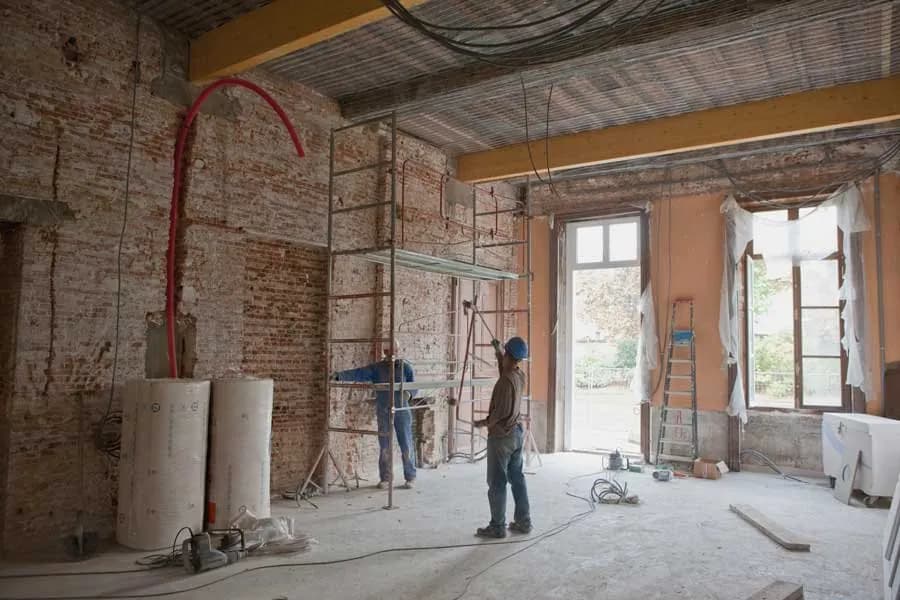
No inspector will make you put a grab bar anywhere in your own house. Build to the published standard anyway: 60 inch turning circle, 33 to 36 inch bars carrying 250 pounds, 36 by 36 transfer shower. Here are the numbers, the three layouts that fit a Florida slab, and 2026 costs.
Read Article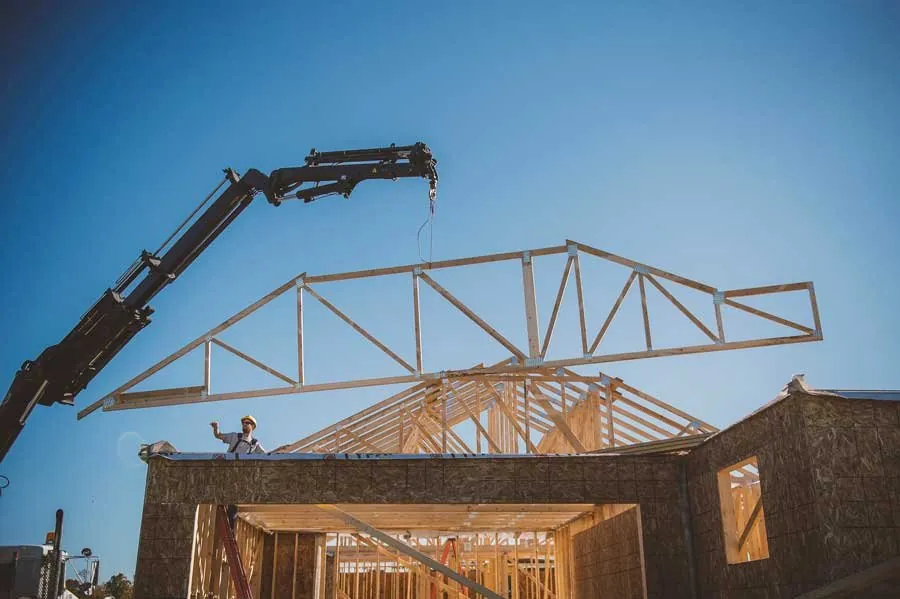
Bathroom Remodel Cost in Brooksville FL 2026: Why the Drain Decides Your Budget
A Brooksville bathroom remodel runs roughly $13,500 to $35,000 in 2026, and the single line item that decides where you land is whether the drains move. Here is the real math, the slab problem, the permit picture, and the surprises older homes hide.
Read Article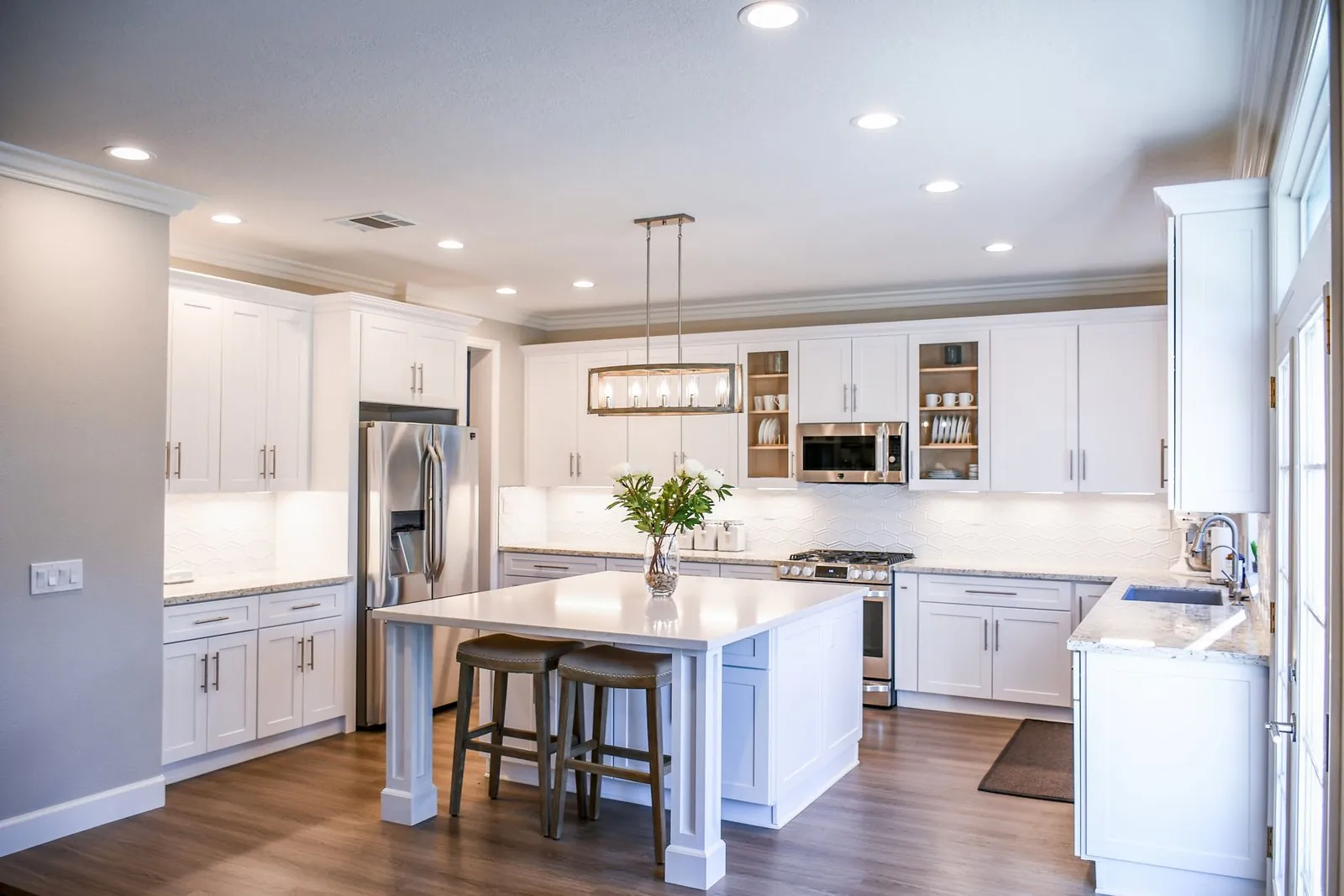
Kitchen Remodeling in Brooksville FL: What to Expect in 2026
Kitchen remodels in Brooksville run $25,000 to $95,000 in 2026. Here is exactly where the money goes, how long it takes, what Hernando County permits require, and how to avoid the surprises that blow budgets.
Read ArticleReady to Build?
Get your free evaluation today.
No-pressure consultation. We serve Hernando, Pasco, and Citrus counties. Call us now or request a visit online.