Protech Construction provides storm damage restoration services across Hernando, Pasco, and Citrus counties. When hurricanes, tropical storms, or severe weather damage your property, we respond within 24 hours with emergency repairs, work directly with your insurance company throughout the claims process, and restore your home to pre-storm condition. As a licensed general contractor (CBC1268979), we handle every phase of restoration: emergency stabilization, damage documentation, insurance coordination, structural repairs, and complete interior and exterior rebuilding. Call (352) 710-5455 for emergency service.
When a Storm Hits: What to Do First
After a hurricane, tropical storm, or severe thunderstorm damages your property, the first 24 to 48 hours are critical. Here is the step-by-step process we recommend to protect your property and your insurance claim:
- Ensure personal safety first. Do not enter a damaged structure until you are confident it is safe. Watch for downed power lines, standing water with potential electrical hazards, gas leaks, and structural instability
- Document everything before touching anything. Take photos and videos of all visible damage, both inside and outside the home. This documentation is critical for your insurance claim
- Report the loss to your insurance company within 24 to 48 hours. In Florida, you typically have one year from the date of loss to file a claim, and 18 months for a supplemental claim, but reporting promptly starts the process faster
- Call Protech Construction at (352) 710-5455. We respond within 24 hours for emergency stabilization
- Perform only essential temporary repairs to prevent further damage. Florida insurance policies impose a "duty to mitigate" on the homeowner, meaning you are required to take reasonable steps to prevent additional damage. Keep all receipts for emergency materials (tarps, plywood, etc.) as insurers typically reimburse these costs
- Do not make permanent repairs before the insurance adjuster inspects. Permanent repairs made before the adjuster documents the damage can jeopardize your claim
Our Storm Damage Restoration Process
Phase 1: Emergency Stabilization (Day 1)
We deploy to your property within 24 hours of your call. Emergency stabilization prevents further damage while the insurance claim is being processed:
- Emergency tarping of damaged roof areas to prevent water intrusion
- Board-up of broken or missing windows and doors
- Water extraction if interior flooding has occurred
- Structural shoring if load-bearing elements have been compromised
- Debris removal from the immediate area to allow safe access
- Temporary power arrangements if the electrical system is damaged
Phase 2: Damage Documentation (Days 1-3)
Thorough documentation is the foundation of a successful insurance claim. We photograph and video-record all damage with detailed notes:
- Exterior damage: roof, siding, windows, doors, soffit, fascia, gutters, garage door, fencing, landscaping
- Interior damage: water staining, drywall damage, flooring damage, electrical issues, mold indicators
- Structural damage: cracked walls, shifted framing, foundation movement, compromised load paths
- Personal property damage (for your own records and claim)
We create a detailed damage report with a room-by-room and exterior-section-by-section breakdown that serves as the basis for the repair estimate submitted to your insurance company.
Phase 3: Insurance Coordination (Days 3-30)
We work directly with your insurance company throughout the claims process. This includes:
- Preparing a detailed repair estimate in a format insurance adjusters accept (typically Xactimate software)
- Meeting with the insurance adjuster on-site to walk through the damage together
- Supplementing the claim if the adjuster's initial estimate does not cover the full scope of repairs (this is common and a normal part of the process)
- Coordinating with your public adjuster or attorney if you have retained one
- Providing documentation for any code-upgrade costs that apply (when code changes since original construction require upgraded methods or materials in the repair)
Florida insurance law requires insurers to acknowledge a claim within 14 days and make a coverage decision within 90 days. In practice, most residential claims are processed within 30 to 60 days. We keep you informed throughout this process and begin repairs as soon as the claim is approved and funds are available.
Phase 4: Structural Repairs (Weeks 2-8)
Once the insurance claim is approved, we begin permanent repairs:
- Roof repair or replacement (including upgrading to current code requirements if required)
- Structural framing repairs (replacing damaged trusses, rafters, wall framing, headers)
- Window and door replacement with impact-rated units (code may require upgrade to impact-rated if more than 25 percent of glazed openings are replaced)
- Siding repair or replacement
- Soffit, fascia, and gutter replacement
- Garage door replacement (if damaged, current code requires wind-rated replacement)
- Foundation repairs (rare but necessary if storm surge or flooding undermined the foundation)
Phase 5: Water Damage and Mold Remediation (If Applicable)
Water intrusion from storm damage must be addressed quickly. Standing water and moisture in wall cavities create conditions for mold growth within 24 to 48 hours in Florida's climate. Our water damage response includes:
- Water extraction and dehumidification
- Removal of water-damaged drywall, insulation, and flooring
- Anti-microbial treatment of exposed framing and subfloor
- Mold testing and remediation if mold growth is detected (following ANSI/IICRC S520 mold remediation standards)
- Complete drying verification with moisture meters before reconstruction begins
Phase 6: Interior Restoration (Weeks 4-12)
After structural repairs are complete and the building is dried and sealed, interior restoration brings the home back to pre-storm condition:
- Drywall replacement and finishing
- Interior painting (matching existing colors or repainting entirely)
- Flooring replacement (tile, hardwood, LVP, carpet)
- Cabinet and countertop replacement (if water-damaged)
- Electrical system repair and testing
- Plumbing inspection and repair
- HVAC inspection, cleaning, and repair
- Fixture and hardware replacement
- Final cleaning and walkthrough
Understanding Your Insurance Claim
Navigating the insurance claims process after a storm can be confusing and stressful. Here is what you need to know about how the process works in Florida:
Actual Cash Value (ACV) vs. Replacement Cost Value (RCV)
Your insurance policy pays either ACV (the depreciated value of the damaged item) or RCV (the cost to replace the damaged item with a new one of similar kind and quality). Most Florida homeowners policies are RCV policies, but the way payment works is important: the insurance company typically issues an initial payment based on ACV (minus your deductible), and then issues a second payment (called "recoverable depreciation") after you complete the repairs and submit documentation that the work is done. This means you may need to finance the difference between the initial payment and the full repair cost until the second payment is released.
Hurricane Deductibles
Florida homeowners policies have a separate hurricane deductible, typically 2 to 5 percent of the dwelling coverage amount. On a home insured for $300,000, a 2 percent hurricane deductible is $6,000. This deductible applies per hurricane event, not per claim. Non-hurricane wind damage (from thunderstorms, for example) uses the standard deductible, which is typically $1,000 to $2,500.
Code Upgrade Coverage
When storm damage repairs trigger building code requirements that did not exist when the home was originally built, the additional cost to comply with current code is called a "code upgrade." Most Florida homeowners policies include code upgrade coverage (also called "ordinance or law" coverage), typically 25 percent of the dwelling coverage amount. This coverage pays for upgrades like impact-rated windows, hurricane clips, and reinforced connections that current code requires but the original construction did not include.
When to Consider a Public Adjuster
If your insurance company denies your claim, significantly underpays relative to the actual damage, or delays the process unreasonably, a public adjuster can advocate on your behalf. Public adjusters work for you (not the insurance company) and typically charge 10 to 15 percent of the claim payout. We work equally well with homeowners who handle their own claims and homeowners who retain public adjusters.
Types of Storm Damage We Repair
Different storm types cause different damage patterns, and each requires a specific restoration approach:
Hurricane and Tropical Storm Damage
Hurricanes combine sustained high winds, wind-borne debris, heavy rain, and potentially storm surge. The most common hurricane damage to residential properties includes:
- Roof damage: Missing shingles, lifted tiles, damaged or displaced ridge caps, broken fascia, and penetrations from wind-borne debris. Even if the roof looks intact from the ground, high winds can break the seal on asphalt shingles, allowing water intrusion that damages the deck and interior
- Window and door damage: Flying debris shatters non-impact windows, and wind pressure can push doors and windows out of their frames. Once the building envelope is breached, interior damage from wind-driven rain escalates rapidly
- Structural damage: High winds can shift roof trusses, crack walls, displace headers, and in severe cases lift the roof off the walls. Homes built before the 2002 Florida Building Code changes are most vulnerable because they lack the hurricane clips and continuous load path strapping that current code requires
- Water damage: Wind-driven rain enters through every breach in the building envelope (damaged roof, broken windows, gaps in siding) and can saturate drywall, insulation, flooring, and structural framing within hours
- Siding and exterior damage: Vinyl siding, aluminum siding, and stucco can be torn, cracked, or penetrated by debris
Thunderstorm and Tornado Damage
Florida has more thunderstorms than any other state, averaging 80 to 100 thunderstorm days per year in Central Florida. Severe thunderstorms produce straight-line winds up to 100+ mph, hail, lightning strikes, and occasional tornadoes. Damage from severe thunderstorms tends to be more localized than hurricane damage but can be equally destructive:
- Fallen trees on roofs, vehicles, fences, and structures
- Lightning strikes causing electrical damage, fires, and shattered masonry
- Hail damage to roofing, siding, and outdoor equipment
- Flash flooding from heavy rainfall overwhelming drainage systems
Flood Damage
Flood damage (from storm surge, rising rivers, or overwhelmed drainage) affects the lowest levels of the home: flooring, lower drywall, electrical outlets, baseboards, and any belongings stored at floor level. Flood water is typically contaminated (classified as Category 3 "black water" by the IICRC) and requires professional extraction, decontamination, and thorough drying before restoration can begin. Standard homeowners insurance does not cover flood damage; a separate flood insurance policy (through NFIP or private flood insurance) is required.
Repair vs. Replacement: Making the Right Decision
After a storm, every damaged element of your home requires a decision: repair it or replace it entirely. Here is how we evaluate each situation:
Roof: Repair vs. Replace
- Repair if damage is limited to a small area (less than 25 percent of the roof surface), the remaining roof is in good condition with significant life remaining, and matching materials are available
- Replace if damage is widespread, the roof was already near end of life (15+ years for asphalt shingles), matching materials are no longer available, or the insurance settlement covers full replacement
- Important: If more than 25 percent of the roof is replaced, Florida Building Code may require the entire roof to be brought up to current code, including secondary water barrier and updated fastening patterns
Windows: Repair vs. Replace
- Repair if the frame is intact and only the glass needs replacement
- Replace if the frame is damaged, warped, or corroded, or if the insurance settlement covers upgrade to impact-rated windows (which provides long-term protection and insurance premium savings)
- Code trigger: If more than 25 percent of glazed openings are replaced, all replacements must be impact-rated per current Florida Building Code
Drywall and Interior Finishes
- Repair if water exposure was brief and drying was completed within 24 to 48 hours with no mold growth
- Replace if drywall was saturated, if mold is present or suspected, or if the drywall has lost structural integrity (soft, crumbling, sagging). We always err on the side of replacement in Florida's humidity because mold growth behind repaired drywall is a health and liability risk
Flooring
- Repair/salvage tile floors that were only surface-wet and dried quickly. Tile itself is waterproof; the concern is the subfloor underneath
- Replace carpet, hardwood, and laminate that were submerged or saturated. These materials absorb water, harbor mold, and cannot be reliably dried and decontaminated
- Replace any flooring where the subfloor underneath shows signs of swelling, delamination, or mold
Storm Damage Prevention
The best storm damage strategy is prevention. As a general contractor who sees storm damage firsthand every season, we recommend these improvements to reduce your home's vulnerability:
- Impact-rated windows and doors: The single most effective upgrade for storm protection. Also provides insurance premium discounts, energy savings, and noise reduction year-round
- Reinforced garage door: Garage doors are the largest opening in most homes and the most common point of failure in hurricanes. A wind-rated garage door costs $1,500 to $4,000 and prevents catastrophic pressure failure
- Hurricane clips on all roof-to-wall connections: If your home was built before 2002 and does not have hurricane clips, adding them is one of the most cost-effective structural upgrades. Typical cost: $1,500 to $3,000 for a standard home
- Secondary water barrier under roofing: A peel-and-stick membrane applied to the roof deck before shingles or tiles provides a second layer of protection against water intrusion if the primary roofing is damaged
- Tree trimming: Dead branches and overgrown trees are the most common source of property damage in Florida storms. Annual trimming reduces risk significantly
Hurricane Season Preparation Checklist
The best time to prepare for storm damage is before hurricane season begins (June 1). Here is what we recommend every Hernando County homeowner do annually:
- Schedule a roof inspection to identify loose shingles, damaged flashing, and compromised seals before storms test them
- Trim trees and remove dead branches within falling distance of the home, pool enclosure, or vehicles
- Verify that your hurricane shutters or impact windows are functional and accessible
- Test your garage door reinforcement (wind-rated braces if you do not have a wind-rated door)
- Clear gutters and downspouts so water drains away from the foundation during heavy rain
- Document your home's condition with photos and video (interior and exterior) for insurance purposes
- Review your insurance policy: verify dwelling coverage amount, hurricane deductible percentage, and whether you have flood insurance (separate policy)
- Stock emergency supplies: tarps, plywood, battery-powered tools, and the phone number of your contractor
If you need help with any of these items, including roof inspections, tree trimming coordination, impact window installation, or garage door upgrades, call us before storm season when scheduling is easier and materials are readily available.
Storm Damage Services
- 24-hour emergency tarping and board-up
- Water extraction and dehumidification
- Roof damage repair and full replacement
- Structural framing repair and reinforcement
- Impact-rated window and door replacement
- Siding, soffit, fascia, and gutter restoration
- Interior restoration: drywall, flooring, paint, cabinets
- Mold testing and remediation
- Electrical and plumbing system repair
- HVAC inspection and repair
- Fence and exterior structure repair
- Insurance claims documentation and coordination
- Code upgrade implementation
Why Protech Construction for Storm Damage Restoration
Storm damage restoration is not the same as routine construction. It requires speed (your home is exposed to further damage every hour the building envelope is breached), insurance expertise (the claims process is complex and errors cost homeowners thousands), and the ability to coordinate emergency response with long-term restoration planning. Many contractors focus on one or the other. We do both.
As a licensed general contractor (CBC1268979) based in Brooksville, we respond to emergency calls within 24 hours, document damage to insurance-claim standards, prepare estimates in formats adjusters accept, and restore your home to pre-storm condition with the same quality standards we apply to new construction and remodeling. We have the equipment, the crews, and the insurance expertise to handle the entire process from the first tarp to the final coat of paint. One contractor, one point of contact, complete accountability from emergency to completion.
We also help homeowners with pre-storm improvements that reduce vulnerability and lower insurance premiums: impact window installation, hurricane clip retrofits, garage door reinforcement, and secondary water barrier installation during roof replacements. These improvements pay for themselves through insurance premium reductions and reduced damage when storms do arrive.
Service Areas
Storm Damage Restoration across Central Florida
Licensed and insured, working throughout Hernando, Pasco, and Citrus counties.
FAQ
Frequently Asked Questions
How quickly can you respond to storm damage?
+
Do you work with insurance companies?
+
Should I make repairs before the insurance adjuster comes?
+
What is a hurricane deductible?
+
Will my repairs need to meet current building code?
+
How long does storm damage restoration take?
+
Do you handle mold from water damage?
+
Construction Knowledge
Articles and guides for Central Florida homeowners
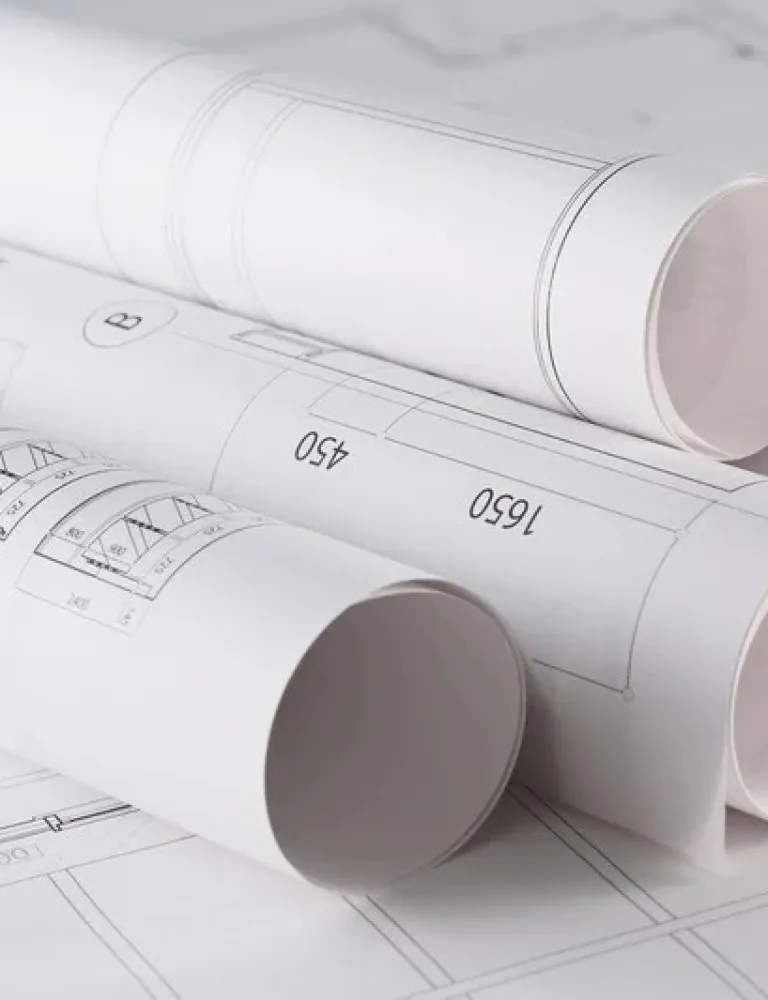
Adding a Second Story in Florida: Why Foundation and Wind Load Make It Cost More Than You Think
Adding a second story in Florida often costs more per square foot than building out or even building new. Here is what drives the price, from footing reinforcement and hurricane wind load to the FEMA 50 percent rule, with 2026 planning ranges.
Read Article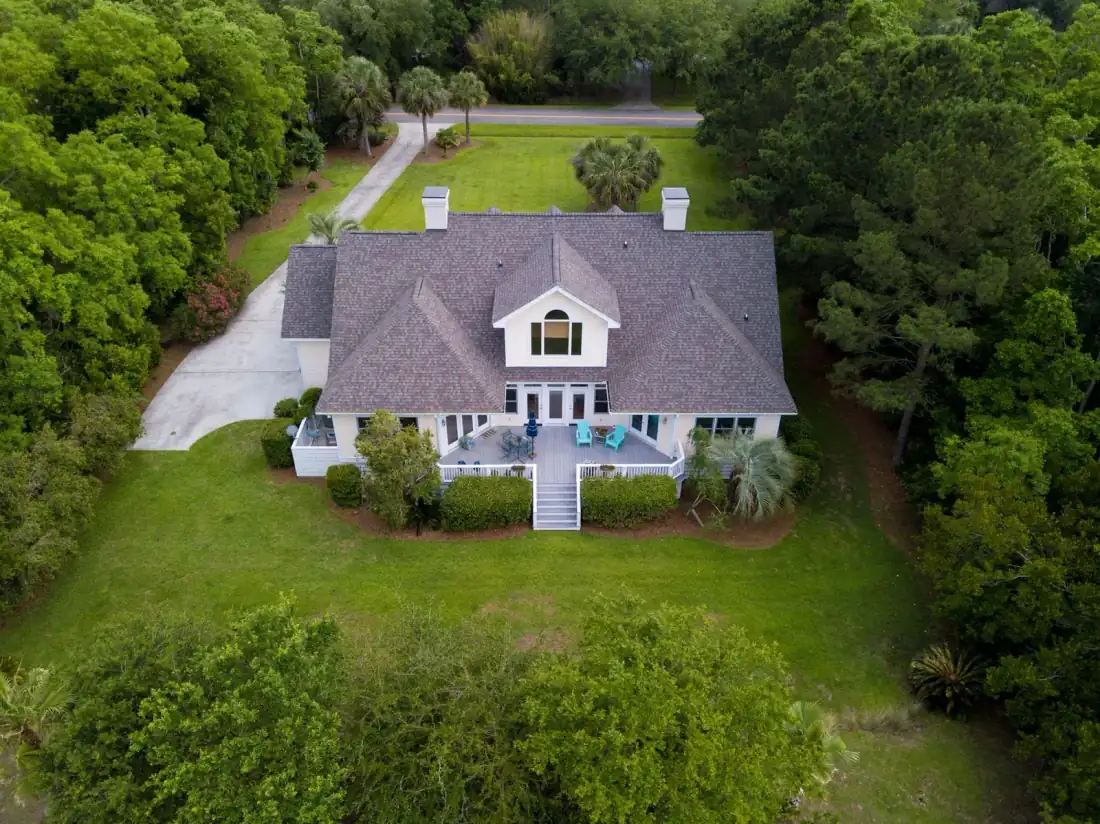
Barndominiums in Florida: What a Post-Frame or Block Barndo Really Costs to Build to Code in 2027
A finished barndominium in Florida typically costs about $130 to $200 per square foot before land, well, septic and fees. Here is how shell and finished pricing differ, what Florida wind code adds and a sample budget for a rural Hernando lot.
Read Article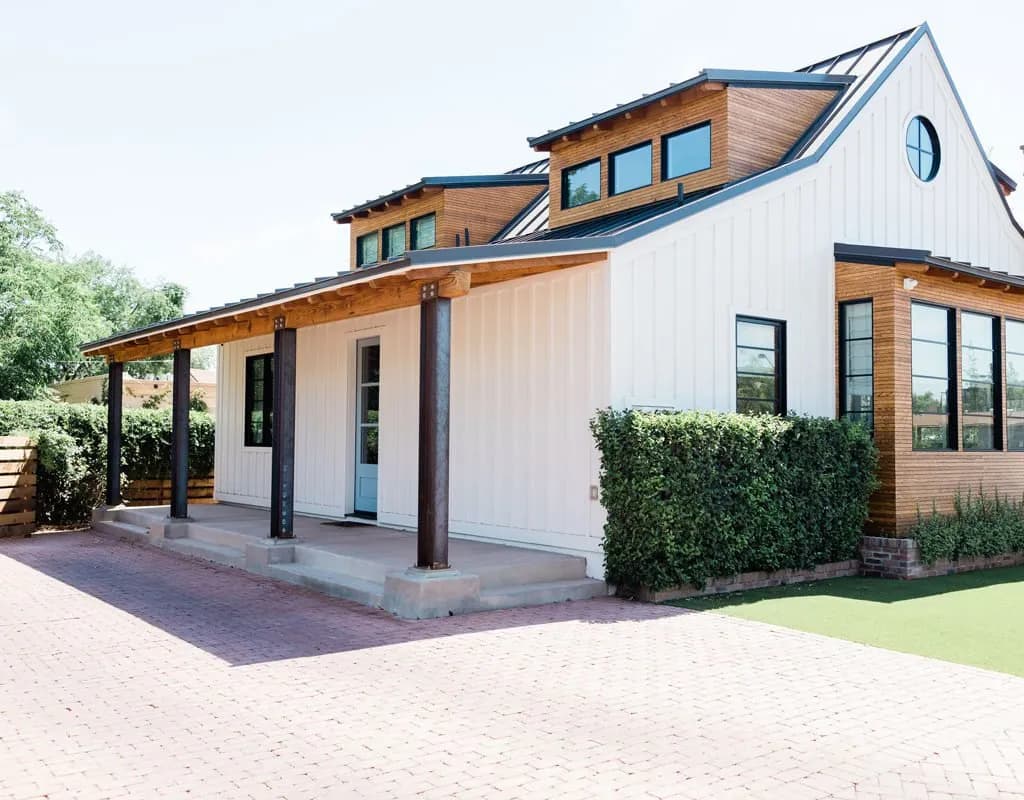
Impact Windows vs Hurricane Shutters in Florida: Cost, Insurance Credits and 10-Year Value
Impact windows and hurricane shutters can both meet Florida code and earn the same insurance credit. Here is how they compare on 2026 cost, daily convenience, storm performance and 10-year value for a new build or remodel.
Read ArticleReady to Build?
Get your free evaluation today.
No-pressure consultation. We serve Hernando, Pasco, and Citrus counties. Call us now or request a visit online.