Home Remodeling
Home Remodeling Contractor Services
Transform your existing home into something better.
Call (352) 710-5455Protech Construction delivers complete home remodeling services across Hernando, Pasco, and Citrus counties. Whether you are updating a single room or gutting and rebuilding an entire home, we manage every trade, every permit, and every inspection from first demo to final walkthrough. In Florida, any renovation involving structural changes, electrical, plumbing, or HVAC work requires a licensed general contractor and building permits. We handle all of it. Call (352) 710-5455 for your free on-site evaluation.
What Home Remodeling Actually Costs in Central Florida
Home remodeling costs in Florida range from $50 to $250 per square foot depending on the scope of work, material selections, and whether the project involves structural changes. For a practical breakdown, here is what Hernando County homeowners can expect in 2026:
- Cosmetic refresh (paint, new flooring, hardware, light fixtures): $15 to $40 per square foot
- Mid-range renovation (new kitchen cabinets, countertops, bathroom tile, updated electrical and plumbing): $50 to $125 per square foot
- Full gut renovation (down to studs, new layout, new mechanical systems, everything replaced): $125 to $250+ per square foot
For a 2,000-square-foot home in Brooksville or Spring Hill, a comprehensive whole-home renovation with mid-range finishes typically costs between $100,000 and $250,000. The total depends on how much of the home you are touching, whether walls are being moved, whether electrical and plumbing are being relocated, and the quality of finishes you select.
The most common budget mistake homeowners make is underestimating the cost of "while we are at it" additions. Once drywall is open for a bathroom remodel, you discover aging plumbing, outdated wiring, or insulation that does not meet current code. A good contractor identifies these issues during the initial evaluation so the budget reflects reality, not optimism.
Why More Hernando County Homeowners Are Remodeling Instead of Moving
With mortgage rates above 6.5 percent and median home prices in Hernando County continuing to climb, many homeowners face a financial penalty for moving. Selling your home means giving up a locked-in mortgage rate and taking on a significantly higher monthly payment on the next property. For a lot of families, the math favors renovating the home they already own.
Consider the numbers: if you purchased your home in 2020 or 2021 with a 3 percent mortgage rate and you sell to buy a comparable home at today's rates, your monthly payment could increase by $500 to $1,200 or more, depending on the loan amount. Over a 30-year mortgage, that is $180,000 to $430,000 in additional interest payments. A $75,000 kitchen and bathroom remodel starts looking very affordable by comparison.
A well-planned remodel lets you get the kitchen, bathroom, or additional space you need while keeping your existing mortgage rate and avoiding closing costs (typically 6 to 8 percent of the sale price), moving expenses ($2,000 to $10,000), and the stress of buying in a competitive market. It also lets you build exactly what you want rather than compromising on what is available for sale.
What We Remodel
Protech Construction handles renovation projects at every scale. Here is a breakdown of the most common remodeling work we do in Hernando, Pasco, and Citrus counties:
Structural and Layout Changes
- Open-concept conversions (removing load-bearing and non-load-bearing walls with proper engineering and permitting)
- Room reconfiguration (converting formal dining rooms to offices, combining small bedrooms into larger spaces)
- Adding or relocating doorways, windows, and interior openings
- Raising or altering ceiling heights
Interior Finishes
- Flooring installation: porcelain tile, luxury vinyl plank (LVP), engineered hardwood, natural stone, laminate
- Interior painting (walls, ceilings, trim, doors, cabinets)
- Drywall repair, replacement, and installation
- Crown molding, baseboards, and trim carpentry
- Custom built-ins, shelving, and storage solutions
Systems and Infrastructure
- Electrical panel upgrades and rewiring (especially critical in homes built before 1990 with aluminum wiring or undersized panels)
- Plumbing supply and drain line replacement (galvanized to PEX or copper, cast iron to PVC)
- HVAC replacement and ductwork modification
- Impact-rated window and door replacement (required by current Florida Building Code when replacing more than 25 percent of glazed openings)
- Insulation upgrades to current energy code R-values
Exterior Work
- Siding replacement (vinyl, fiber cement, stucco repair)
- Exterior painting and pressure washing
- Soffit, fascia, and gutter replacement
- Front entry and garage door replacement
- Driveway and walkway replacement or resurfacing
The Remodeling Process
A well-managed renovation follows a predictable sequence. Understanding the process upfront eliminates surprises and helps you plan around the disruption to your daily life.
Step 1: On-Site Evaluation and Scope Definition
- Free walkthrough of your home to discuss goals, budget, and priorities
- Identify structural or code issues that will affect the project
- Define scope of work and prioritize if wish list exceeds budget
Step 2: Design and Estimating
- Create detailed plans for layout changes (if applicable)
- Material selection assistance for finishes, fixtures, and hardware
- Fixed-price estimate with every cost category broken down
Step 3: Permitting
- Submit permit application through Hernando County's online portal
- Manage plan review process (15 to 30 business days for residential remodeling)
- Coordinate any required engineering documents for structural modifications
Step 4: Demolition and Discovery
- Remove existing finishes (cabinets, tile, flooring, fixtures)
- Expose framing, plumbing, and electrical for evaluation
- Document any hidden issues: outdated wiring (aluminum wiring was common in homes built 1965-1975), corroded galvanized plumbing, inadequate insulation, unpermitted modifications by previous owners
- Discuss findings and adjust scope with your approval before proceeding
Step 5: Structural Work and Rough-Ins
- New framing and engineered headers for wall removals or new openings
- Electrical rough-in: new circuits, panel upgrades, outlet and switch relocations
- Plumbing rough-in: supply and drain line modifications or replacements
- HVAC modifications: ductwork changes, register relocations
- County inspections for each trade before walls are closed
Step 6: Finishes and Installation
- Insulation and drywall installation
- Interior painting (walls, ceilings, trim)
- Cabinet installation
- Countertop templating, fabrication, and installation
- Tile work (floors, backsplash, shower surrounds)
- Flooring installation
- Plumbing and electrical fixture connections
- Trim carpentry (baseboards, crown molding, door casing)
Each step depends on the previous one being complete. Our job is to manage this sequence so trades are not waiting on each other and your project stays on schedule.
Step 7: Final Inspections and Walkthrough
- Schedule and pass all required county final inspections
- Detailed walkthrough with you to review every finished detail
- Create and complete punch list for any items needing attention
- Project is not complete until you are satisfied
Open-Concept Conversions: The Most Requested Layout Change
Removing the wall between the kitchen and living room (or kitchen and dining room) to create an open-concept floor plan is the single most requested remodeling project in Florida homes built before 2000. Older Florida homes were typically designed with closed-off rooms that feel smaller and darker than the open layouts buyers and homeowners prefer today.
Load-Bearing vs. Non-Load-Bearing Walls
The critical question in any wall removal project is whether the wall is load-bearing (supporting the roof or upper floor structure) or non-load-bearing (a partition wall that only defines room boundaries). Removing a non-load-bearing wall is relatively straightforward and costs $1,400 to $4,000 including drywall repair, paint, and flooring transitions.
Removing a load-bearing wall is a structural modification that requires engineering and permitting. The wall must be replaced with a beam (steel or engineered wood) that carries the same loads the wall was supporting. The complete cost for load-bearing wall removal in a single-story Florida home typically runs $5,200 to $13,000, including:
- Structural engineering calculations: $390 to $1,300
- Steel or LVL beam fabrication and installation: $1,300 to $5,200
- Support columns (if the span requires intermediate support): $500 to $2,000 each
- Electrical and plumbing rerouting (if utilities run through the wall): $500 to $3,000
- Drywall repair, paint, and flooring transition: $1,000 to $3,000
- Hernando County building permit: $250 to $800
For two-story homes where the wall supports the second floor, costs increase to $11,700 to $19,500 because the beam must be larger, temporary shoring is more complex, and the engineering requirements are more demanding.
We coordinate the structural engineering, pull the permit, install temporary shoring to support the structure during wall removal, install the beam, complete all finishing work, and schedule the county inspection. The entire process typically takes 2 to 4 weeks for a single wall removal.
What Older Florida Homes Hide Behind the Walls
Remodeling an older home in Hernando County often reveals conditions that were standard construction practices decades ago but are now considered safety hazards or code violations. Understanding what you might encounter helps you budget realistically and avoid surprises.
Aluminum Wiring (Homes Built 1965 to 1975)
Single-strand aluminum branch circuit wiring was used as a cheaper alternative to copper during a period of high copper prices. The Consumer Product Safety Commission found that homes with aluminum wiring are 55 times more likely to have fire hazard conditions than homes wired with copper. The problem is that aluminum expands and contracts more than copper with temperature changes, causing connections at outlets, switches, and junction boxes to loosen over time. Loose connections create resistance, resistance creates heat, and heat creates fire risk.
Most Florida insurance carriers will not provide coverage on homes with unremediated aluminum wiring. If we discover aluminum wiring during a remodel, the two approved remediation methods are COPALUM crimping (a specialized connector applied with a hydraulic tool at every single connection point in the home) and AlumiConn connectors (set-screw connectors rated for aluminum-to-copper transitions). Complete rewiring with copper is the most thorough solution but also the most expensive, typically costing $8,000 to $15,000 for a typical Florida home.
If your home was built between 1965 and 1975, ask about aluminum wiring before planning a remodel. If remediation is needed, it is far more cost-effective to address it while walls are already open for renovation than as a separate project later.
Galvanized Steel Plumbing
Homes built before the mid-1980s often have galvanized steel water supply lines that corrode internally over time, reducing water pressure and eventually developing pinhole leaks. If we open a wall and find galvanized pipes, we recommend replacing them with PEX or copper while the walls are accessible. Replacing supply lines during a remodel adds $2,000 to $5,000 but prevents future leaks and water damage that would cost far more to repair.
Cast Iron Drain Lines
Cast iron drain pipes were standard in Florida homes built before 1975. While cast iron can last 50 to 80 years, many are now reaching end of life and developing cracks, rust-through, and root intrusion at joints. If we encounter deteriorating cast iron during a remodel, replacement with PVC is straightforward while the floor or wall is already open.
Polybutylene Plumbing (Homes Built 1978 to 1995)
Polybutylene (PB) supply lines were widely used in Florida homes from the late 1970s through the mid-1990s. These gray or blue plastic pipes have a documented history of failure, splitting at fittings and along the pipe body, often with little warning. The failure is caused by chlorine and other oxidants in municipal water reacting with the pipe material, making it brittle and prone to cracking. Most insurance carriers in Florida require replacement of polybutylene plumbing before issuing or renewing coverage. If your home has PB pipes, a remodel is the most cost-effective time to replace them because the walls are already open.
Inadequate Insulation
Homes built before the 1990s in Florida often have minimal wall insulation (R-7 or less) and attic insulation well below current code requirements. While not a safety hazard, inadequate insulation means higher energy bills year-round. If walls are being opened during a remodel, adding or upgrading insulation to current code R-values is one of the highest-ROI improvements you can make. The incremental cost to insulate walls that are already open during a remodel is minimal compared to the energy savings over the life of the home.
Asbestos-Containing Materials
Homes built before 1980 may contain asbestos in popcorn ceilings, vinyl floor tiles, pipe insulation, and certain adhesives. Disturbing asbestos-containing materials during demolition requires specialized abatement procedures. We test suspect materials before demolition on any pre-1980 home and coordinate licensed asbestos abatement if needed. This adds cost and time but is legally required and protects your family's health.
Why You Need a Licensed General Contractor for Remodeling
Florida law is clear on this: any construction work exceeding $1,000 in total cost (labor plus materials) that involves structural changes, electrical, plumbing, or mechanical systems requires a licensed contractor. Handyman services are not licensed or regulated by the state of Florida and cannot legally pull building permits, perform structural work, or sign off on code-compliant installations.
Unlicensed contracting is a first-degree misdemeanor in Florida, carrying penalties of up to one year in jail and a $1,000 fine. But the real risk to homeowners is more practical: work done without permits and proper licensing can void your homeowners insurance, create problems during a home sale (unpermitted work surfaces during inspections and appraisals), and leave you financially exposed if something goes wrong.
Protech Construction holds Florida Certified Building Contractor license CBC1268979. We pull all required permits, carry full general liability and workers' compensation insurance, and every subcontractor we use is verified for proper licensing and insurance coverage.
Renovations with the Highest Return on Investment
If you are remodeling with an eye toward resale value, not every dollar spent returns equally. Based on national and Florida-specific data for 2025-2026, here are the renovations that deliver the strongest ROI:
- Garage door replacement: Up to 194 percent ROI due to massive curb appeal impact. In Florida, choosing an impact-rated garage door also qualifies for insurance premium discounts of 5 to 10 percent
- Kitchen remodel (mid-range): 60 to 80 percent ROI. Updated kitchens are the number one feature buyers evaluate
- Bathroom remodel: 60 to 70 percent ROI. Bathrooms are the most popular remodeling project by volume in Florida
- Impact window replacement: 55 to 70 percent ROI, plus annual insurance premium savings and energy cost reduction
- Open-concept conversion: 50 to 65 percent ROI. Removing walls between kitchen, dining, and living areas is the most requested layout change in Florida homes built before 2000
Florida-Specific Remodeling Considerations
Remodeling in Florida is different from remodeling in most other states, and understanding these differences helps you plan a project that performs well in our climate and meets all code requirements.
Window Replacement Triggers Code Upgrades
If you replace more than 25 percent of the glazed openings (windows and glass doors) in your home, current Florida Building Code requires that all replaced windows be impact-rated or protected by approved shutters. This is not optional, even in a remodel. Many homeowners discover this requirement after getting quotes for "simple window replacement" and finding that impact-rated windows cost significantly more than standard windows. However, the insurance premium savings (typically $300 to $600 per year) and energy cost reductions offset the higher upfront cost over time.
Humidity and Moisture Management
Florida's humidity requires specific construction practices that may not be standard in other climates. Every bathroom remodel must include proper waterproofing behind tile, ventilation fan sizing appropriate to the room, and moisture-resistant materials in all wet areas. Kitchen remodels should include proper ventilation hood sizing and ductwork to the exterior (recirculating hoods do not remove moisture from the air, which matters more in Florida than in drier climates).
HVAC Considerations
Any remodel that changes the size, layout, or number of rooms in your home may require HVAC modifications. Adding square footage without resizing the HVAC system results in a system that cannot adequately cool the expanded space. Removing walls between rooms changes air flow patterns and may require ductwork modifications. We evaluate HVAC impact on every remodel and include any necessary modifications in the project scope.
Rainy Season Scheduling
Florida's rainy season (June through September) affects exterior work and any project that involves opening the roof or exterior walls. Interior-only remodels proceed regardless of weather. For projects with exterior components, we plan the sequence to minimize exposure during weather events and always have tarping materials on site when the building envelope is open.
Timeline: How Long Does a Remodel Take?
Timeline depends entirely on scope. Here are realistic timeframes for the most common remodeling projects:
- Single bathroom remodel: 3 to 5 weeks
- Kitchen remodel (same layout): 4 to 8 weeks
- Kitchen remodel (new layout with wall removal): 8 to 12 weeks
- Open-concept conversion: 4 to 8 weeks
- Whole-home renovation (cosmetic): 6 to 12 weeks
- Whole-home gut renovation: 4 to 8 months
These timelines include permitting, which adds 15 to 30 business days at the front end for Hernando County projects. Weather can also affect exterior work during Florida's rainy season (June through September), though interior work proceeds regardless of weather conditions.
What to Expect During a Remodel: Living Through Construction
A remodel disrupts your daily routine, and knowing what to expect makes the process more manageable. Here is an honest assessment of what living through a renovation in your home looks like.
Dust and Noise
Demolition, drywall work, tile cutting, and carpentry generate dust and noise. We use plastic sheeting and zip walls to isolate the work area from the rest of the house, but some dust migration is inevitable. We run negative air pressure systems (fans exhausting to the exterior through sealed plastic barriers) on major demolition days to minimize dust spread. Noise from power tools is constant during working hours (typically 8 AM to 5 PM, Monday through Saturday).
Temporary Loss of Function
A kitchen remodel means you will not have a functional kitchen for the duration of the project. Plan for meals that do not require cooking: microwave in another room, grill on the patio, takeout, and meal delivery. A bathroom remodel means that bathroom is unusable for 3 to 6 weeks. If your home has only one bathroom, plan for alternative arrangements during the plumbing phase (typically 3 to 5 days when the toilet and shower are disconnected).
Workers in Your Home
Expect 2 to 6 workers in your home during active construction phases. Our crews are professional, respectful of your space, and clean up at the end of each day. We ask that pets be contained away from the work area for their safety and the workers' ability to move freely. We communicate the daily schedule in advance so you know who is coming and what they will be working on.
Decision Fatigue
A major remodel requires hundreds of decisions: tile color, grout color, cabinet style, countertop material, paint color, fixture finish, hardware style, flooring type, lighting placement, outlet locations, and more. We help you manage this by presenting decisions in logical order, providing curated options rather than overwhelming catalogs, and setting deadlines for each decision so material orders stay on schedule. The goal is for you to make decisions at a pace that feels manageable, not rushed.
Why Protech Construction for Your Remodel
Hernando County has many contractors and handymen offering remodeling services. Here is what sets Protech apart:
- Licensed general contractor (CBC1268979): We are not a handyman service. We hold a Florida Certified Building Contractor license issued by the Department of Business and Professional Regulation. We can legally pull permits, perform structural work, and sign off on code-compliant installations
- Full general liability and workers' compensation insurance: If something goes wrong on the job, you are protected. Many handymen and unlicensed contractors carry no insurance at all
- Local to Brooksville: Our office is at 9035 Jayson Dr. We are not driving in from Tampa or Orlando. We live in the community where we work
- One point of contact: You deal with one person who manages all trades, all scheduling, and all communication. You do not need to coordinate between separate contractors for electrical, plumbing, tile, and carpentry
- Fixed-price estimates: You know exactly what you are paying before work begins. We do not pad estimates with vague allowances or surprise you with change orders for work that should have been included in the original scope
- We show up: Reliability is the most common complaint about contractors. We show up when we say we will, work the hours we commit to, and communicate proactively when schedules need to change
Warranty and Follow-Up
Every remodeling project we complete includes a one-year workmanship warranty covering all labor and installation performed by Protech Construction and our subcontractors. If a plumbing connection leaks, a tile cracks, a door sticks, or paint peels within the warranty period, we return and correct it at no cost to you. We also provide all manufacturer warranties for installed products (windows, fixtures, appliances, countertops) and help you register them.
At 30 days after project completion, we contact you to check on how everything is performing and address any minor issues that may have surfaced during the first month of use (paint touchups, minor adjustments, settling). At 11 months, we offer a pre-warranty-expiration walkthrough to identify and correct any items before the one-year mark. This proactive approach reflects our commitment to long-term quality, not just a finished project.
By City
Home Remodeling near you
Service Areas
Home Remodeling across Central Florida
Licensed and insured, working throughout Hernando, Pasco, and Citrus counties.
FAQ
Frequently Asked Questions
How much does a whole-home remodel cost in Hernando County?
+
Do I need a permit for remodeling?
+
Can I stay in my home during a remodel?
+
How long does a home remodel take?
+
Why should I hire a general contractor instead of a handyman?
+
Do you provide a written estimate before starting?
+
Construction Knowledge
Articles and guides for Central Florida homeowners
Elevated and Piling Home Cost in Florida: 2026 Guide
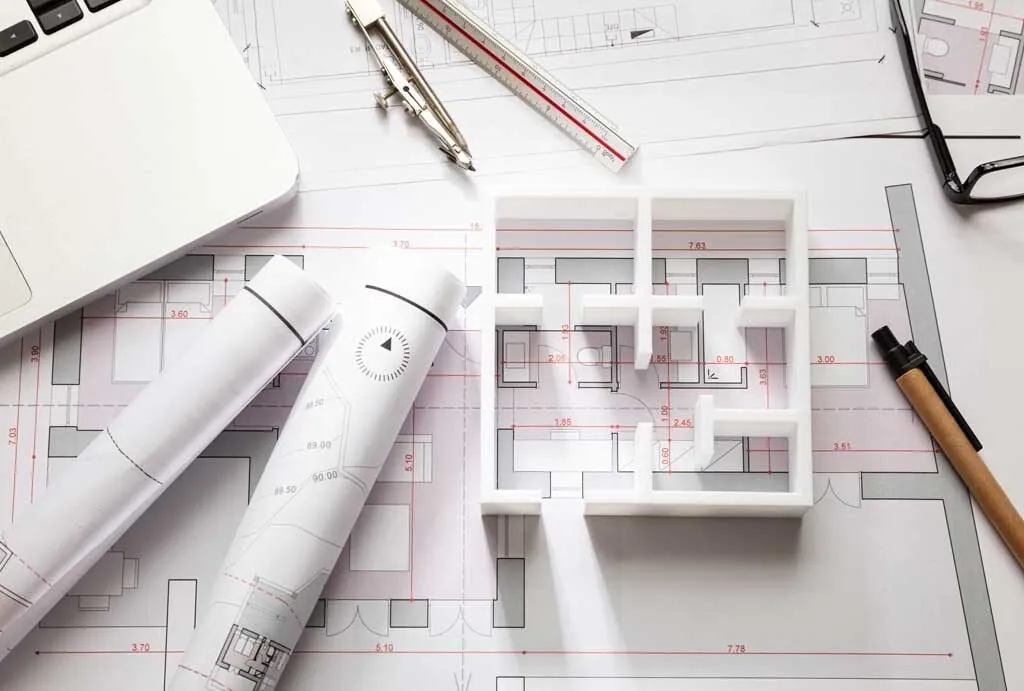
The flood zone tells you how high the floor has to be. It does not tell you what that height costs, and the numbers floating around the internet are off by a factor of three. Stem wall runs about $5 per square foot over slab on grade. A complete piling foundation runs $50,000 to $90,000, which on a 2,400 square foot home is closer to $31 per square foot than the $100 to $150 figure commonly quoted. Here is the honest breakdown, foundation by foundation.
Read Article
Multigenerational Home Layouts in Florida: 6 Plan Moves
Nearly every production floor plan in Central Florida is a split-bedroom 3/2 designed for a nuclear family, and dropping three generations into it fails in predictable places: one shared wall, two bathrooms, one thermostat, and a great room that everyone has to walk through. Here are the six plan decisions that actually buy privacy, what each one adds to a build budget, and the single line in Florida statute that turns a suite into a second dwelling unit.
Read Article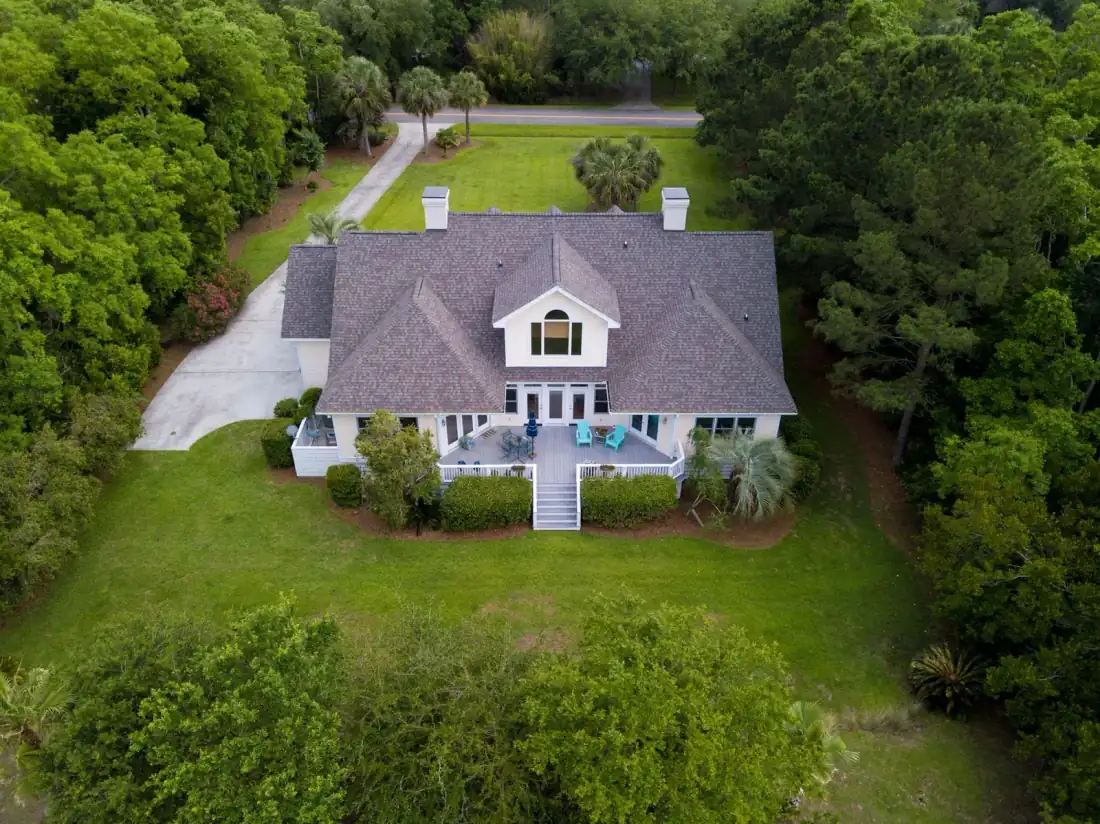
Aging-in-Place Home Design in Florida: 2027 Cost Guide
No building code forces accessibility into a single-family home in Florida. That is exactly why the decisions get skipped, and why the same nine items come back later at ten to fifty times the price. Here is the build-now versus retrofit-later math, item by item.
Read ArticleReady to Build?
Get your free evaluation today.
No-pressure consultation. We serve Hernando, Pasco, and Citrus counties. Call us now or request a visit online.