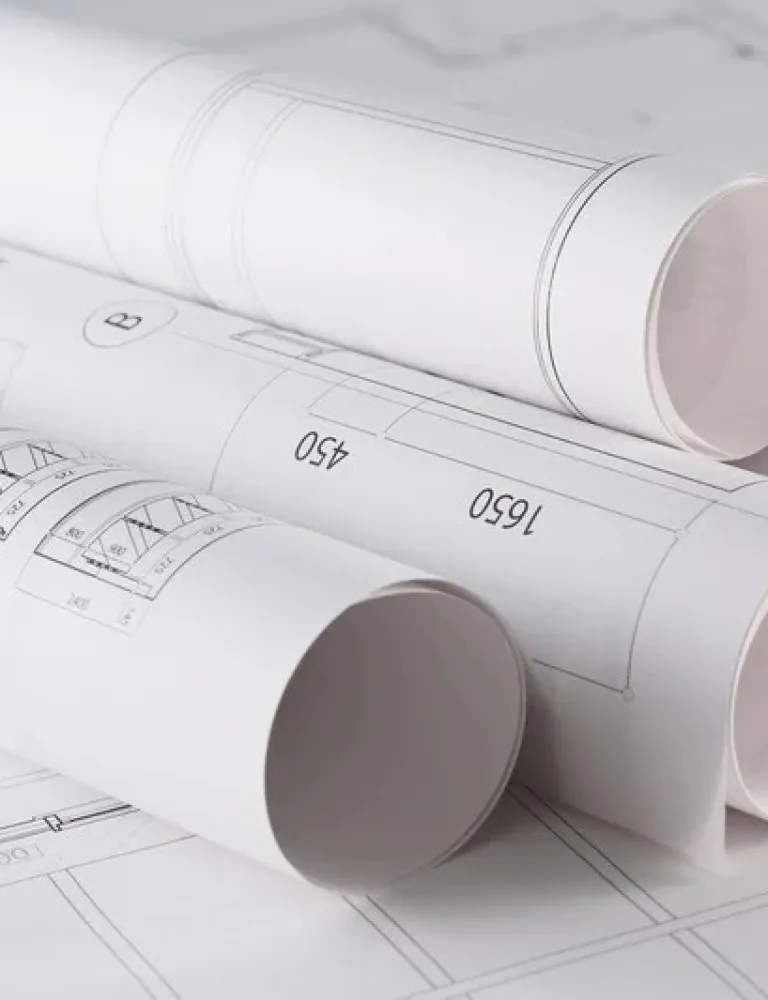
Custom Home Floor Plans
Custom Home Floor Plans
Design your home before the first nail is driven.
Call (352) 710-5455Protech Construction offers custom home floor plan design services for homeowners planning to build in Hernando, Pasco, or Citrus County. A great floor plan is the foundation of every successful custom home project. We work with you from initial concept through construction-ready plans that meet Florida Building Code requirements, fit your lot, and reflect how your family actually lives. Call (352) 710-5455 to start planning your custom home.
Why the Floor Plan Matters More Than Anything
You can change cabinets, countertops, paint colors, and fixtures after a home is built. You cannot easily change the floor plan. The layout of your home determines how you move through it every day: how the kitchen connects to the living room, whether the master suite feels private or exposed, how natural light enters each room, where guests sleep relative to your family, and whether the garage entry leads conveniently to the kitchen or awkwardly through the formal living room.
A floor plan designed by someone who understands how Florida families actually live produces a fundamentally different home than a plan designed for a different climate or lifestyle. We design floor plans that account for Florida's specific needs: covered outdoor living spaces that function as extensions of the interior, window placement that maximizes natural light while minimizing solar heat gain, hurricane-code structural requirements that influence room spans and roof geometry, and the practical reality that air conditioning runs most of the year, making energy-efficient layouts a priority.
Our Floor Plan Design Process
- Initial consultation: We discuss your family's size, lifestyle, daily routines, storage needs, entertaining habits, and future plans. How many bedrooms do you need? Do you work from home? Do you entertain frequently? Will aging parents live with you? These questions shape the design
- Lot evaluation: We visit your lot (or lots you are considering) to assess buildable area, setbacks, orientation (which direction the home will face), views, neighboring structures, utility access, and flood zone designation. The lot determines the home's footprint constraints
- Concept development: We create initial floor plan concepts showing room layout, circulation paths, and overall flow. Multiple concepts may be presented so you can compare approaches
- Design refinement: Based on your feedback, we refine the chosen concept with specific dimensions, window and door locations, electrical outlet placement, cabinet layouts, and fixture locations
- Structural coordination: We coordinate with the structural engineer to ensure the design works within Florida Building Code wind load requirements. Roof geometry, wall placement, and span lengths are optimized for both aesthetics and structural performance
- Energy code compliance: We verify that the plan meets current Florida energy code requirements for window area, orientation, insulation, and HVAC system sizing
- Construction-ready plans: The final plan set includes architectural drawings, dimensions, electrical layout, plumbing layout, and all details needed for permit submission and construction
Floor Plan Design Principles for Florida Homes
Open-Concept Living
Modern Florida homes are designed with connected living spaces: kitchen, dining, and family room flowing together as one large area. This layout maximizes the sense of space, allows parents to supervise children while cooking, and creates a natural gathering zone for family and guests. Open concepts require careful structural planning because the lack of interior walls means the roof structure must span greater distances, which affects truss design and engineering.
Indoor-Outdoor Connection
Florida living means outdoor living. We design floor plans with sliding glass doors, pocket doors, or multi-panel folding door systems that open the living area to the covered patio or screened porch. The transition between inside and outside should feel seamless. The covered outdoor living space (lanai) is not an afterthought in our designs; it is integrated from the beginning as a functional extension of the home's living area.
Split Bedroom Layout
The split bedroom floor plan places the master suite on one side of the home and secondary bedrooms on the opposite side, with shared living spaces in between. This layout provides privacy for both the homeowners and guests. It is the most popular floor plan configuration in Florida custom homes and one we recommend for families and couples who value separation between the master suite and guest or children's rooms.
Owner's Entry and Mudroom
The garage entry should lead to a practical transition space: a mudroom, drop zone, or laundry room where shoes, bags, and keys are managed before entering the main living area. This is especially important in Florida where sandy shoes, wet swimsuits, and muddy boots are a regular occurrence. We design this transition space as a standard feature rather than an afterthought.
Natural Light Optimization
Window placement and sizing affect both the feel of the home and energy costs. In Florida, south-facing and west-facing windows receive the most intense sun exposure and contribute the most to cooling costs. We design window placement to maximize natural light in living areas while minimizing direct solar heat gain through strategic use of roof overhangs, window sizing, and Low-E glass specifications.
Future-Proofing
A well-designed custom home anticipates future needs. We design floor plans with wider doorways (minimum 32 inches clear, 36 inches in bathrooms) that accommodate wheelchair access if ever needed, blocking in bathroom walls for future grab bar installation, and rough-in plumbing for future bathroom additions. These features cost almost nothing to include during construction but are expensive to retrofit later.
Common Floor Plan Mistakes to Avoid
After designing and building numerous custom homes in Hernando County, we have seen the same floor plan mistakes repeat. Understanding these upfront saves time, money, and the frustration of living in a home that does not work as well as it should.
Not Visiting the Lot Before Finalizing the Design
A floor plan designed without visiting the actual lot often ignores critical site-specific factors: the direction the lot faces (which affects sun exposure and energy costs), the location of neighboring homes and windows (which affects privacy), the slope and drainage patterns of the property, and the location of utility connections. We always evaluate the lot before finalizing any floor plan because the site conditions directly influence the optimal home orientation, window placement, and outdoor living space location.
Designing Rooms That Are Too Small for Their Furniture
A bedroom that is technically 10 by 12 feet may fit a queen bed on paper, but when you add nightstands, a dresser, and walking clearance, the room feels cramped. We design rooms with specific furniture layouts in mind, not just minimum dimensions. Master bedrooms should accommodate a king bed, two nightstands, a dresser, and a seating area. Dining rooms should fit the table size you actually use, including chair pull-out space. Home offices should accommodate a desk, chair, and bookshelves with enough clearance to move comfortably.
Underestimating Storage
One of the most common regrets from homeowners who build custom is not including enough storage. Walk-in pantries, linen closets, coat closets, cleaning supply closets, and garage storage are the areas most frequently underdesigned. We allocate storage in the floor plan as a deliberate design element, not an afterthought that gets whatever leftover space is available.
Ignoring Traffic Patterns
How you move through a home matters as much as the rooms themselves. A kitchen where you have to walk through the dining room to reach the laundry room is functionally different from a kitchen with direct laundry access. A front door that opens into the living room with no foyer or transition space feels abrupt. A master bathroom that is only accessible through a walk-in closet creates a bottleneck. We map traffic patterns during design to ensure the home flows naturally for daily routines.
Prioritizing Square Footage Over Function
A 3,000-square-foot home with a poor layout lives smaller than a well-designed 2,200-square-foot home. Oversized rooms with no clear purpose, long hallways that consume square footage without adding livability, and formal rooms that are never used (formal living rooms and formal dining rooms are the most common underused spaces in Florida homes) all waste budget on space that does not improve your daily life. We design for function first and adjust square footage to match, rather than starting with a target number and filling it with rooms.
Not Planning for HVAC
The floor plan directly affects HVAC efficiency and comfort. Long, narrow floor plans require longer duct runs, which reduces airflow to distant rooms. Vaulted ceilings increase the volume of air the system must cool. Open-concept layouts can create temperature differentials if the HVAC system is not zoned properly. We coordinate with HVAC engineers during the design phase to ensure the floor plan and HVAC system work together efficiently.
Choosing Trendy Over Timeless
A floor plan is permanent. Cabinet colors and countertop materials can be changed in a remodel. But the fundamental layout, room positions, ceiling heights, and structural elements cannot be easily modified. We encourage designs that are architecturally timeless with flexibility for finish updates as tastes change over the years. The split bedroom open-concept plan that has been popular in Florida for 20 years remains popular because it works, regardless of whether the current finish trend is white cabinets or natural wood.
Room-by-Room Design Considerations for Florida Homes
Kitchen
- Minimum 10 by 12 feet for a functional kitchen with standard cabinets on two walls
- Island-centric layouts need at least 42 inches of clearance on all sides of the island
- Work triangle (sink, stove, refrigerator) legs should be 4 to 9 feet each
- Walk-in pantry adjacent to the kitchen eliminates the need for a full pantry wall in the kitchen itself
- Natural light is important, but west-facing kitchen windows increase cooling costs
Master Suite
- Minimum 14 by 16 feet for the bedroom portion (comfortably fits king bed, nightstands, dresser, and seating)
- Walk-in closet minimum 6 by 8 feet for single, 8 by 10 feet for double
- Master bathroom should include separate shower and tub (or large walk-in shower with bench), double vanity, and enclosed toilet room
- Position the master suite away from the garage, laundry room, and main living areas for noise isolation
Garage
- Two-car garage minimum interior dimensions: 20 by 20 feet (tight) to 24 by 24 feet (comfortable)
- Three-car garage: 32 by 22 feet minimum
- Include at least one 240-volt outlet for future EV charging
- Plan for overhead storage, workbench space, and utility sink if desired
- Side-entry garages improve curb appeal but require wider lots
Laundry Room
- Minimum 6 by 8 feet for side-by-side washer and dryer with a folding counter
- Include a utility sink for hand-washing and general cleaning
- Upper cabinets for storage of laundry supplies
- Consider a location adjacent to the master bedroom (convenience) or the kitchen/garage entry (practical for Florida's muddy outdoor lifestyle)
Outdoor Living (Lanai)
- Minimum 10 by 16 feet for a basic covered seating area
- 12 by 20 feet or larger for dining and lounging
- 20 by 24 feet or larger if including an outdoor kitchen
- Design the lanai as an integral part of the floor plan, not an add-on. It should connect to the main living area through wide sliding or folding doors
- Orient the lanai to face east or north to avoid direct afternoon sun exposure from the west
Modifying Existing Floor Plans
You do not have to start from scratch. Many of our clients begin with a floor plan they found online, in a magazine, or from a plan service, and we modify it to fit their lot, their preferences, and Florida Building Code requirements. Common modifications include:
- Adjusting overall dimensions to fit a specific lot within setback requirements
- Changing the garage from front-entry to side-entry
- Adding or removing bedrooms and bathrooms
- Converting a formal dining room to a home office
- Adding a covered porch or lanai
- Modifying the kitchen layout
- Adding a walk-in pantry
- Adjusting ceiling heights
- Modifying the roof design for hurricane code compliance
Modifying an existing plan is typically faster and less expensive than designing from scratch, and it gives you a visual starting point to work from.
Energy Code and Window Requirements
Florida's energy code sets specific performance requirements that directly influence floor plan design. Windows are the biggest factor in both natural light and energy loss, and the floor plan determines where windows go and how large they are.
Window-to-Wall Ratio
The total glazed area (windows and glass doors) relative to the total wall area affects the home's energy performance. More windows mean more natural light but also more solar heat gain, which increases cooling costs. Florida's energy code limits the window-to-wall ratio based on the U-factor and Solar Heat Gain Coefficient (SHGC) of the windows specified. We balance these requirements during design to maximize natural light in living areas while keeping energy performance within code limits.
Window Orientation Strategy
- North-facing windows: Provide consistent, indirect natural light with minimal heat gain. Ideal for living rooms, bedrooms, and home offices. We maximize north-facing glass whenever the lot orientation allows
- South-facing windows: Receive direct sun for most of the day. Manageable with proper roof overhangs that shade the windows when the sun is high (summer) and allow sun in when it is low (winter). Good for covered patio areas
- East-facing windows: Morning sun only. Low heat contribution. Ideal for kitchens and breakfast areas where morning light is desirable
- West-facing windows: Receive intense afternoon sun with significant heat gain. We minimize west-facing glass or specify lower SHGC values on west-facing windows to reduce cooling costs. West-facing master bedrooms without proper window management can be uncomfortable in the afternoon
Roof Overhang Design
The depth of the roof overhang directly affects how much direct sun reaches the windows and walls. In Florida, we typically design 18 to 24-inch roof overhangs that shade the walls and windows during the hottest months while allowing lower winter sun to enter. Deeper overhangs on south-facing walls and covered patio extensions on west-facing walls are practical design elements that reduce cooling costs while enhancing the home's architectural character.
Multi-Generational Home Design
An increasing number of families are building homes with separate living quarters for aging parents, adult children, or extended family members. Multi-generational floor plans require careful design to provide both independence and connection:
- Separate entrance: A private entrance to the in-law suite or ADU so the occupant can come and go independently without passing through the main home
- Full bathroom and kitchenette: A private bathroom and a small kitchen (sink, microwave, small refrigerator, countertop space) provide self-sufficiency for daily routines
- Sound separation: Insulated walls and a solid-core door between the suite and the main home reduce noise transfer in both directions
- Connected but private: An interior door between the suite and the main home allows easy access for shared meals and family time while maintaining the option of closing the door for privacy
- Accessibility features: Wider doorways (36 inches), curbless shower, grab bar blocking in bathroom walls, and lever-style handles on all doors and faucets allow the suite to accommodate aging in place as mobility changes over time
We design multi-generational floor plans that comply with Hernando County ADU regulations, including setback requirements, utility connection standards, and any owner-occupancy provisions that apply in the specific zoning district.
Floor Plan Services
- Complete custom residential floor plan design
- Stock plan modification and customization
- Lot evaluation and site planning
- Energy-efficient layout optimization
- Window orientation and solar heat gain analysis
- Florida Building Code and hurricane code compliance
- Open-concept and modern layouts
- Split bedroom and master suite design
- Multi-generational home design (separate living quarters, ADU planning)
- Outdoor living space integration
- HVAC coordination for optimal comfort and efficiency
- Construction-ready plan sets for permit submission
Service Areas
Custom Home Floor Plans across Central Florida
Licensed and insured, working throughout Hernando, Pasco, and Citrus counties.
FAQ
Frequently Asked Questions
Do I need an architect or can you design my floor plan?
+
How much does a custom floor plan cost?
+
Can you modify a plan I found online?
+
How long does the design process take?
+
What is a split bedroom layout?
+
Do you evaluate lots before I buy?
+
Construction Knowledge
Articles and guides for Central Florida homeowners
Concrete Block vs Wood Frame in Florida: Cost, Wind Rating and Insurance for Your Custom Build
Block or wood frame is the first structural decision on a Florida custom home. Here is how the two compare on cost, wind performance, insurance, termites, moisture and energy, and which one fits your build.
Read ArticleModular vs Stick-Built Custom Homes in Florida 2027
The modular per-square-foot number is the box, not the house. Once foundation, utilities, crane set and Florida wind code are priced, the gap narrows sharply. And the appraisal penalty everyone warns about is not the rule people think it is.
Read Article
Production vs Custom Home Builder in Florida Compared
The three builder tiers are not three price points for the same house. They are three different products, on three different pieces of land, sold under three different contracts, and comparing them by price per square foot is how buyers get the decision wrong.
Read ArticleReady to Build?
Get your free evaluation today.
No-pressure consultation. We serve Hernando, Pasco, and Citrus counties. Call us now or request a visit online.