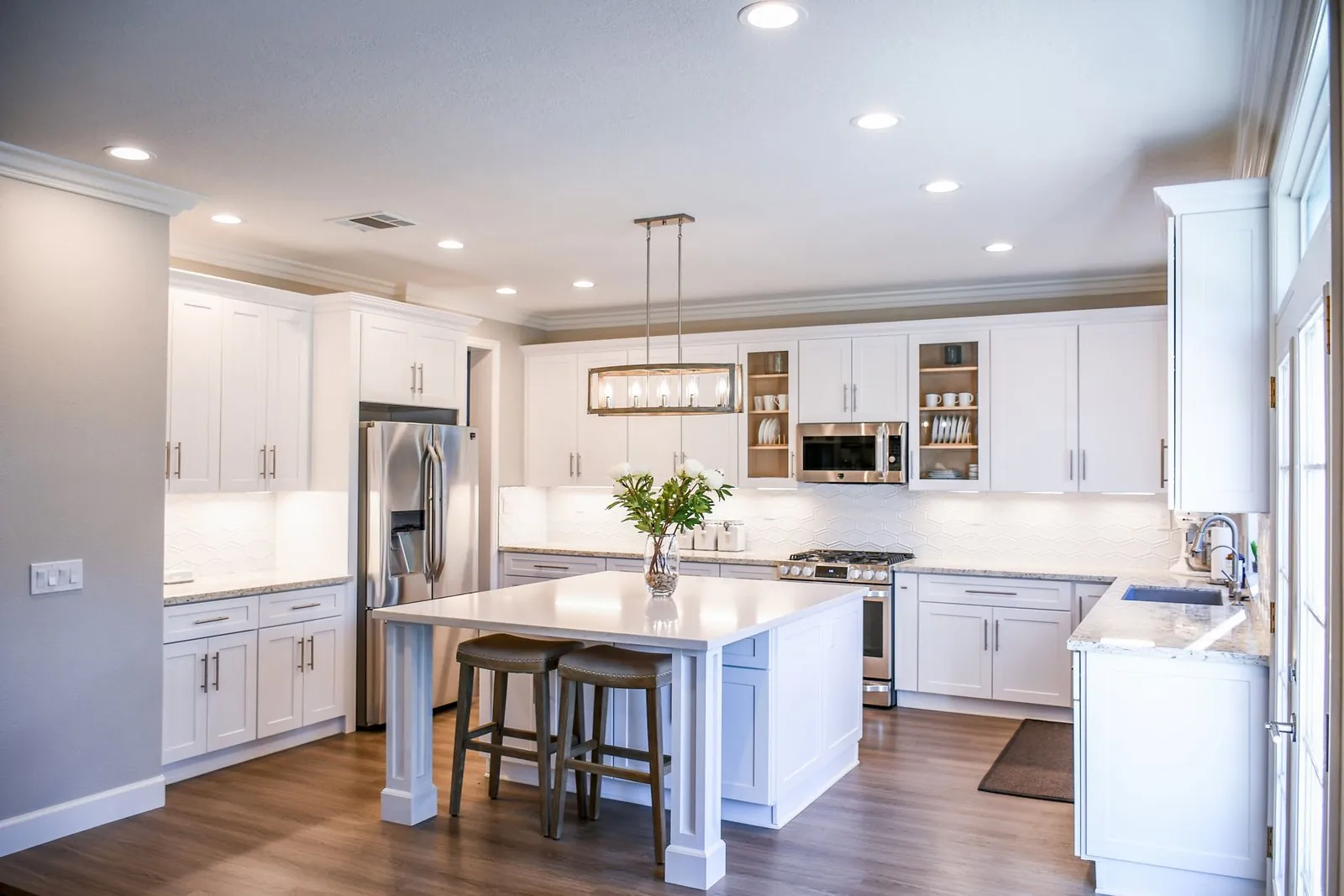
Protech Construction designs and builds kitchens for homeowners across Hernando, Pasco, and Citrus counties. From custom cabinetry and countertop installation to complete layout redesigns with wall removal and relocated plumbing, we handle every phase of kitchen construction. The kitchen is the single most impactful room in your home for both daily living quality and resale value. We build kitchens that work for how your family actually cooks, eats, and gathers. Call (352) 710-5455 for a free kitchen consultation.
Kitchen Remodeling Costs in Hernando County
Kitchen remodeling costs in our market range from $25,000 for a mid-range refresh to $75,000 or more for a full custom renovation with layout changes. Northern and rural Florida counties like Hernando, Pasco, and Citrus fall toward the more affordable end of the state compared to Tampa, Orlando, or South Florida. Here is a realistic breakdown of what drives the cost:
Cabinets: The Biggest Single Line Item
Cabinets typically account for 30 to 40 percent of a kitchen remodel budget. The price depends entirely on whether you choose stock, semi-custom, or custom cabinetry:
- Stock cabinets: $100 to $300 per linear foot installed. These are pre-manufactured in standard sizes. Selection is limited to what the manufacturer offers, but they are the most budget-friendly option and arrive quickly
- Semi-custom cabinets: $150 to $650 per linear foot installed. These offer more door styles, finishes, and interior configurations than stock cabinets, with modifications available for non-standard dimensions
- Custom cabinets: $500 to $1,200 per linear foot installed. Built to your exact specifications in any dimension, material, finish, and configuration. This is what we recommend for kitchens with unusual layouts, high ceilings, or specific storage requirements that stock and semi-custom lines cannot accommodate
For a typical 20-linear-foot kitchen (a standard U-shape or L-shape configuration), cabinet costs range from $2,000 for basic stock to $24,000 for full custom. Most of our Hernando County clients land in the semi-custom range at $4,000 to $13,000 for the cabinet package.
Countertops: Material Matters
Countertop costs depend on material selection and the total square footage of counter surface. Most kitchens require 30 to 50 square feet of countertop surface. Here are the installed costs per square foot for the most popular materials:
- Laminate: $20 to $50 per square foot. Budget-friendly and available in a wide range of patterns, including realistic stone looks. Not as durable as natural stone or quartz
- Granite: $50 to $150 per square foot. Natural stone with unique veining. Requires periodic sealing but is extremely durable
- Quartz: $75 to $200 per square foot. Engineered stone that requires zero maintenance, resists staining, and is available in a wider range of colors and patterns than natural stone. Quartz is the most popular countertop material in Florida kitchens in 2026
- Marble: $100 to $250 per square foot. Premium natural stone with a distinctive look. More porous than granite and requires more maintenance, but unmatched in aesthetics
One important Florida-specific consideration: if your kitchen has large south-facing or west-facing windows, direct UV exposure over time can cause some white quartz surfaces to yellow. We help you choose materials that perform well in your specific kitchen orientation.
Other Major Cost Categories
- Flooring: $1,500 to $6,000 depending on material (LVP, tile, or hardwood) and kitchen size
- Appliances: $3,000 to $15,000 for a complete package (refrigerator, range/cooktop, dishwasher, microwave, range hood)
- Electrical: $1,500 to $5,000 for circuit upgrades, dedicated appliance circuits, under-cabinet lighting, and outlet additions
- Plumbing: $1,000 to $4,000 for sink, faucet, dishwasher connection, and any drain line modifications
- Backsplash: $800 to $3,500 depending on material (ceramic tile, glass tile, or slab extension of the countertop material)
- Labor and project management: Typically 20 to 35 percent of the total project cost
What Is Trending in Florida Kitchens for 2026
Kitchen design trends shift every year, and 2026 has brought some notable changes that are showing up in our Hernando County projects:
Natural wood cabinets are overtaking white. For the first time, warm natural wood tones (particularly rift-cut white oak and walnut) have surpassed all-white cabinets in popularity. Wood cabinets were selected by 29 percent of renovating homeowners nationally in 2025, pushing ahead of white at 28 percent. We are seeing this trend reflected in our local projects as well.
Two-tone kitchens are getting subtler. The high-contrast black-and-white island trend is fading in favor of tone-on-tone combinations: creamy taupe upper cabinets paired with a deeper espresso or terracotta island, for example. The effect is warmer and more cohesive than the dramatic contrasts of previous years.
Slab backsplashes define the new luxury look. Instead of traditional tile backsplashes, more homeowners are running their countertop material (usually quartz or natural stone) up the wall to the bottom of the upper cabinets or even to the ceiling. This creates a seamless, high-end appearance that also eliminates grout lines to clean.
Walk-in pantries and appliance garages. Counter clutter is the enemy of a clean kitchen design. Walk-in pantries and built-in appliance garages (cabinet bays with retractable doors that hide small appliances when not in use) are now among the most requested features in kitchen remodels.
Oversized islands with built-in functionality. Kitchen islands continue to get larger, but the 2026 trend is adding built-in features: prep sinks, cooktops, storage drawers, wine refrigerators, and integrated seating for four to six people. The island has become the primary work surface and gathering point in modern kitchen design.
The Kitchen Remodeling Process: Week by Week
A standard kitchen renovation runs six to ten weeks from demolition to completion. Including the design, material selection, and permitting phase, the full timeline is three to four months. Here is the typical sequence:
Week 1: Planning and Design (Before Construction)
- Free on-site consultation to discuss goals, evaluate existing kitchen, and set budget
- Create design plan: layout, cabinet configuration, material selections
- Prepare detailed estimate with every cost category
- Submit building permit if layout changes, electrical, or plumbing modifications are involved
Weeks 2-3: Material Procurement
- Order cabinets (stock: 2-4 week lead time, custom: 4-8 weeks)
- Order countertop material, tile, fixtures, and appliances
- Coordinate all material lead times so everything arrives in sequence
Week 4: Demolition (2 to 4 Days)
- Remove old cabinets, countertops, backsplash, flooring, and fixtures
- Strip kitchen to studs and subfloor
- Document any hidden issues: outdated wiring, corroded plumbing, water damage, subfloor deterioration
- Discuss findings and adjust scope with your approval
Weeks 5-6: Rough-In Work (1 to 2 Weeks)
- Relocate plumbing supply and drain lines (if layout is changing)
- Add or move electrical circuits, dedicated appliance outlets
- Complete structural modifications (wall removal, header installation)
- County inspections for each trade
- Install new drywall, tape, finish, and prime
Weeks 7-8: Cabinet and Flooring Installation
- Install flooring first (for hardwood and tile; LVP can go before or after cabinets)
- Install cabinets, level precisely, and secure to wall studs
- Verify layout and functionality before countertop templating
Week 9: Countertop Templating and Fabrication
- Countertop fabricator creates precise templates from installed cabinets
- Fabrication takes 5 to 10 business days for stone and quartz
- This is the most common delay point, which is why we schedule it immediately after cabinet installation
Week 10: Final Installation and Finishing
- Countertop installation
- Plumbing connections: sink, faucet, dishwasher, ice maker
- Backsplash tile installation
- Cabinet hardware mounting
- Appliance placement and connection
- Under-cabinet lighting wiring
- Touch-up painting and final cleaning
- Walkthrough with you and final building inspection
Electrical Requirements for a Modern Kitchen
Electrical is one of the most underestimated cost categories in kitchen remodeling, but getting it right is critical for both code compliance and daily functionality. The current Florida Building Code and National Electrical Code (NEC) require the following for kitchens:
- Dedicated 20-amp circuits for countertop outlets: At least two separate 20-amp small-appliance branch circuits serving the kitchen countertop area. These are dedicated to countertop outlets only and cannot serve other loads
- GFCI protection on all countertop outlets: Every receptacle within 6 feet of a water source must have Ground Fault Circuit Interrupter protection
- Dedicated circuit for the dishwasher: 20-amp circuit, typically hardwired or with a dedicated outlet under the countertop
- Dedicated circuit for the garbage disposal: Separate 15 or 20-amp circuit, switched from a wall switch or air switch at the countertop
- Dedicated circuit for the refrigerator: 20-amp circuit, not GFCI-protected (to prevent the refrigerator from shutting off if a GFCI trips when nobody is home)
- Dedicated circuit for the microwave: 20-amp circuit if the microwave is hardwired into a range hood combination, or a dedicated outlet
- Range/cooktop circuit: 40 or 50-amp 240-volt circuit for electric ranges. Gas ranges require a 120-volt outlet behind the range for the igniter and clock
- Lighting circuits: Separate from countertop circuits. Under-cabinet lighting, recessed ceiling lights, and pendant fixtures over the island each need proper wiring
Older Florida kitchens often have just one or two general-purpose circuits serving everything in the kitchen. Bringing an older kitchen up to current code can require running 6 to 10 new circuits from the panel, which sometimes triggers a panel upgrade as well. We evaluate your panel capacity during the design phase and include all necessary electrical work in the estimate.
Plumbing Considerations in Kitchen Remodeling
Plumbing modifications range from simple fixture replacements to major drain and supply line relocations depending on whether you are changing the kitchen layout.
Same-Layout Plumbing
If the sink, dishwasher, and refrigerator ice maker stay in their current locations, plumbing work is limited to:
- Replacing shut-off valves under the sink (a good practice any time a sink is being replaced)
- Installing a new sink and faucet
- Reconnecting the dishwasher supply and drain
- Connecting the ice maker line (copper or braided stainless)
This work typically costs $800 to $2,000 and does not require a permit.
New-Layout Plumbing
If the sink is moving to an island, a different wall, or a significantly different location, the plumbing scope increases substantially:
- New supply lines (hot and cold) to the new sink location
- New drain line with proper venting (islands require special venting solutions like an air admittance valve because they are not adjacent to a wall where a traditional vent can run)
- Possible slab penetration if moving drains on a slab-on-grade foundation (this involves cutting concrete, which adds $500 to $2,000)
- Rerouting existing lines and capping abandoned connections
New-layout plumbing work costs $2,000 to $6,000 and requires a plumbing permit.
Cabinet Refacing: The Budget-Friendly Alternative
If your existing cabinet boxes are structurally sound but the doors, drawers, and finish are outdated, cabinet refacing is a cost-effective alternative to full replacement. Refacing involves:
- Removing existing cabinet doors, drawer fronts, and hardware
- Applying new veneer or laminate to the visible faces of the cabinet boxes
- Installing new doors and drawer fronts in the style and finish of your choice
- Installing new hardware (handles, pulls, hinges)
Refacing costs roughly 40 to 60 percent of full cabinet replacement, typically $8,000 to $15,000 for a standard kitchen. The tradeoff is that you keep the existing cabinet layout, interior configuration, and box construction. If your cabinets are particle board (common in builder-grade 1990s and 2000s homes), refacing is not recommended because the box material deteriorates over time, especially in Florida's humidity. Refacing works best on plywood or solid wood cabinet boxes that are still structurally sound.
Kitchen Remodeling Services
- Custom, semi-custom, and stock cabinet design and installation
- Quartz, granite, marble, and laminate countertop installation
- Kitchen island design and construction (including structural support for overhangs)
- Backsplash tile installation (ceramic, glass, natural stone, slab)
- Appliance installation and dedicated circuit wiring
- Plumbing for sinks, dishwashers, ice makers, and pot fillers
- Flooring installation (porcelain tile, LVP, engineered hardwood)
- Under-cabinet, pendant, and recessed lighting design and installation
- Open-concept kitchen conversions (wall removal with engineered headers)
- Walk-in pantry construction
- Cabinet refacing and refinishing (budget-friendly alternative to full replacement)
Same Layout vs. New Layout: Which Is Right for You?
Not every kitchen remodel requires tearing down walls and moving plumbing. Understanding the difference helps you budget accurately:
Same-layout remodel keeps the existing footprint, wall positions, and plumbing/electrical locations. You replace cabinets, countertops, backsplash, flooring, fixtures, and appliances in their current positions. This is the fastest and most affordable option, typically running $25,000 to $45,000 and completing in 4 to 6 weeks.
New-layout remodel involves moving walls, relocating plumbing and electrical, and reconfiguring the kitchen footprint. This might mean removing a wall between the kitchen and dining room for an open-concept conversion, moving the sink to an island, or adding a window. These projects require building permits, structural engineering (for load-bearing wall removal), and more trade coordination. Cost is typically $45,000 to $75,000+ and timeline is 8 to 12 weeks.
We can do either, and we will give you an honest recommendation during the initial consultation about whether your goals require a full layout change or can be achieved within the existing footprint.
Common Kitchen Remodeling Mistakes to Avoid
After remodeling hundreds of kitchens, we have seen the same mistakes repeat. Understanding these upfront saves you money, time, and frustration.
Underestimating the Budget
The number one mistake is setting a budget based on online averages without accounting for your specific kitchen's conditions. A kitchen with outdated wiring, corroded plumbing, or a load-bearing wall between it and the dining room will cost significantly more than a kitchen where only cosmetic updates are needed. We identify these factors during the initial evaluation so your budget reflects reality, not a national average that does not account for Florida-specific requirements.
Choosing Cabinets Based on Price Alone
Stock cabinets save money upfront, but they come in standard sizes that may not fit your kitchen dimensions efficiently. The result is filler strips, wasted space, and a kitchen that looks like it was assembled from a catalog rather than designed for the room. Semi-custom cabinets cost more but are available in 1/8-inch increments that maximize storage in every available inch. Custom cabinets cost the most but are built to your exact specifications and can incorporate features like pull-out spice racks, appliance garages, and integrated trash and recycling systems that stock cabinets cannot provide.
Ignoring the Work Triangle
The kitchen work triangle (the path between the sink, stove, and refrigerator) determines how efficiently you can cook. Each leg of the triangle should be between 4 and 9 feet, and the total perimeter should be between 13 and 26 feet. A kitchen layout that violates these guidelines feels awkward to work in, regardless of how beautiful the finishes are. We evaluate the work triangle as part of every kitchen design.
Skipping the Electrical Upgrade
Older Florida homes often have kitchens wired with only one or two circuits. A modern kitchen requires dedicated 20-amp circuits for the refrigerator, dishwasher, microwave, and garbage disposal, plus general-purpose circuits for countertop outlets (code requires GFCI protection on all kitchen countertop outlets within 6 feet of a water source). Upgrading electrical during a kitchen remodel adds $1,500 to $5,000 but prevents blown breakers and brings your kitchen up to current code.
Not Planning for Appliance Dimensions
If you are upgrading to a larger refrigerator, a double oven, or a cooktop with a downdraft vent, the cabinet and countertop layout must accommodate the new dimensions. We always confirm appliance specifications before finalizing cabinet orders to prevent costly modifications after cabinets are installed.
Florida-Specific Kitchen Considerations
Kitchen remodeling in Florida involves considerations that do not apply in other climates:
- Humidity and cabinet materials: Solid wood cabinets can warp in Florida's humidity if the kitchen is not climate-controlled consistently. Plywood and MDF with sealed finishes perform better in high-humidity environments
- UV exposure on countertops: South-facing and west-facing windows expose countertops to intense UV radiation. Some white quartz surfaces can yellow over time with prolonged UV exposure. We help you choose materials and orientations that account for your kitchen's sun exposure
- Ventilation requirements: Florida's humidity makes kitchen ventilation more important than in drier climates. We recommend range hoods that vent to the exterior rather than recirculating hoods, which do not remove moisture from the air
- Pest-resistant materials: We avoid using particle board or untreated wood in cabinet construction because these materials are attractive to termites and moisture-loving insects common in Florida
Financing Your Kitchen Remodel
Most homeowners finance kitchen remodeling through one of these options:
- Home equity loan or HELOC: Borrow against the equity in your home at rates typically lower than personal loans or credit cards. Interest may be tax-deductible if the funds are used for home improvement (consult your tax advisor). Best for projects over $25,000
- Cash-out refinance: Replace your existing mortgage with a new, larger mortgage and use the difference for the remodel. Only makes sense if your new rate is comparable to your existing rate
- Personal loan: Unsecured loan with no collateral required. Higher interest rates than home equity products but faster approval and no risk to your home. Best for smaller projects under $25,000
- Contractor financing: Some material suppliers and cabinet manufacturers offer promotional financing (0 percent for 12 months, for example). We can help you explore these options during the material selection phase
- Cash savings: The most straightforward option with no interest costs. If you have the savings, paying cash gives you the most control and the lowest total project cost
We provide detailed estimates early in the process so you can arrange financing with confidence in the total project cost. Our fixed-price contracts protect you from budget surprises that could affect your financing plan.
Why Protech Construction for Your Kitchen Remodel
A kitchen remodel involves every construction trade: demolition, framing, electrical, plumbing, drywall, painting, flooring, tile, cabinetry, countertops, and finish carpentry. Managing these trades in the right sequence is the difference between a project that finishes on time and one that drags on for months. As a licensed general contractor, we coordinate every trade under one contract, one timeline, and one point of accountability. Your kitchen remodel should be exciting, not stressful. We manage the complexity so you can focus on choosing the finishes that make it yours.
By City
Kitchen Remodeling near you
Service Areas
Kitchen Remodeling across Central Florida
Licensed and insured, working throughout Hernando, Pasco, and Citrus counties.
FAQ
Frequently Asked Questions
How much does a kitchen remodel cost in Hernando County?
+
How long does a kitchen remodel take?
+
Can you work with my existing layout?
+
Do you build custom cabinets?
+
What is the most popular countertop material?
+
Do I need a permit for a kitchen remodel?
+
Can you remove a wall between my kitchen and living room?
+
Construction Knowledge
Articles and guides for Central Florida homeowners
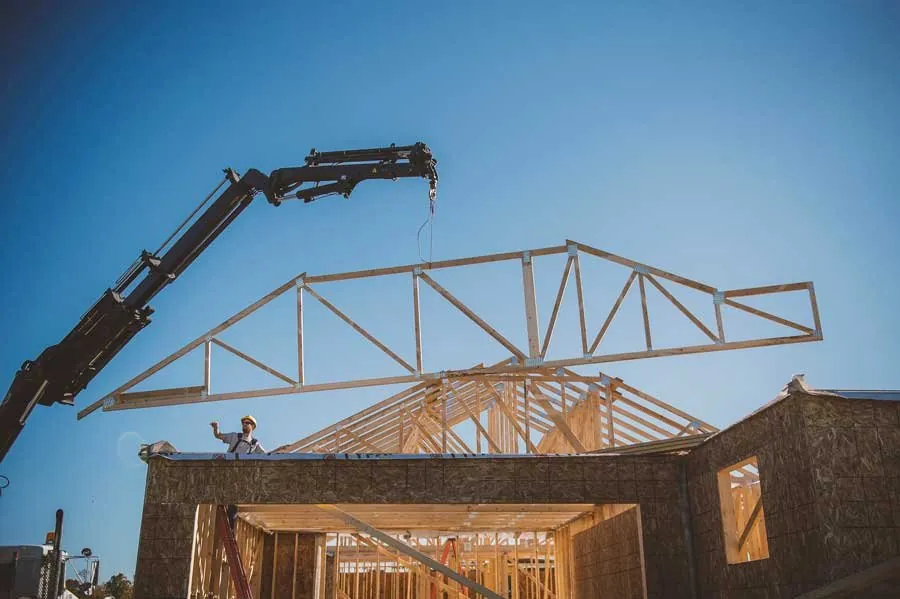
Outdoor Kitchen Cost Florida 2027: Design and Permits
The grill is the easy number. The slab, the gas run, the circuits and the roof over it are what decide whether a Florida outdoor kitchen lands at $22,000 or $48,000, and none of them are on the appliance showroom price tag.
Read ArticleKitchen Remodeling in Brooksville FL: What to Expect in 2026
Kitchen remodels in Brooksville run $25,000 to $95,000 in 2026. Here is exactly where the money goes, how long it takes, what Hernando County permits require, and how to avoid the surprises that blow budgets.
Read Article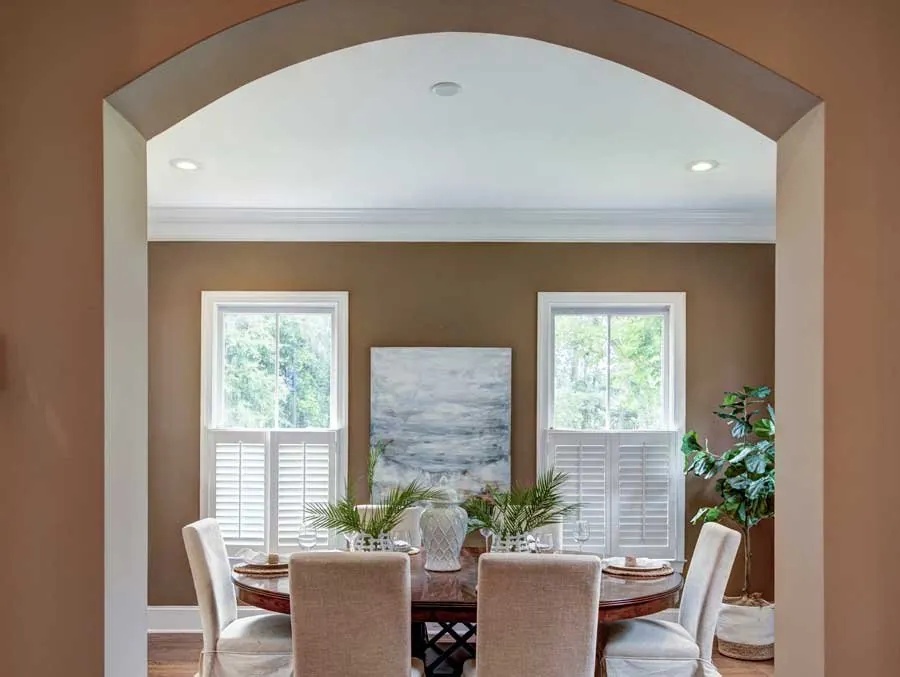
Why Spring Hill Homeowners Are Investing in Remodeling in 2026
Spring Hill homeowners sitting on 3% mortgages are choosing to remodel instead of move in 2026. Here is the financial math, ROI data, and project costs that make staying the smart play.
Read ArticleReady to Build?
Get your free evaluation today.
No-pressure consultation. We serve Hernando, Pasco, and Citrus counties. Call us now or request a visit online.