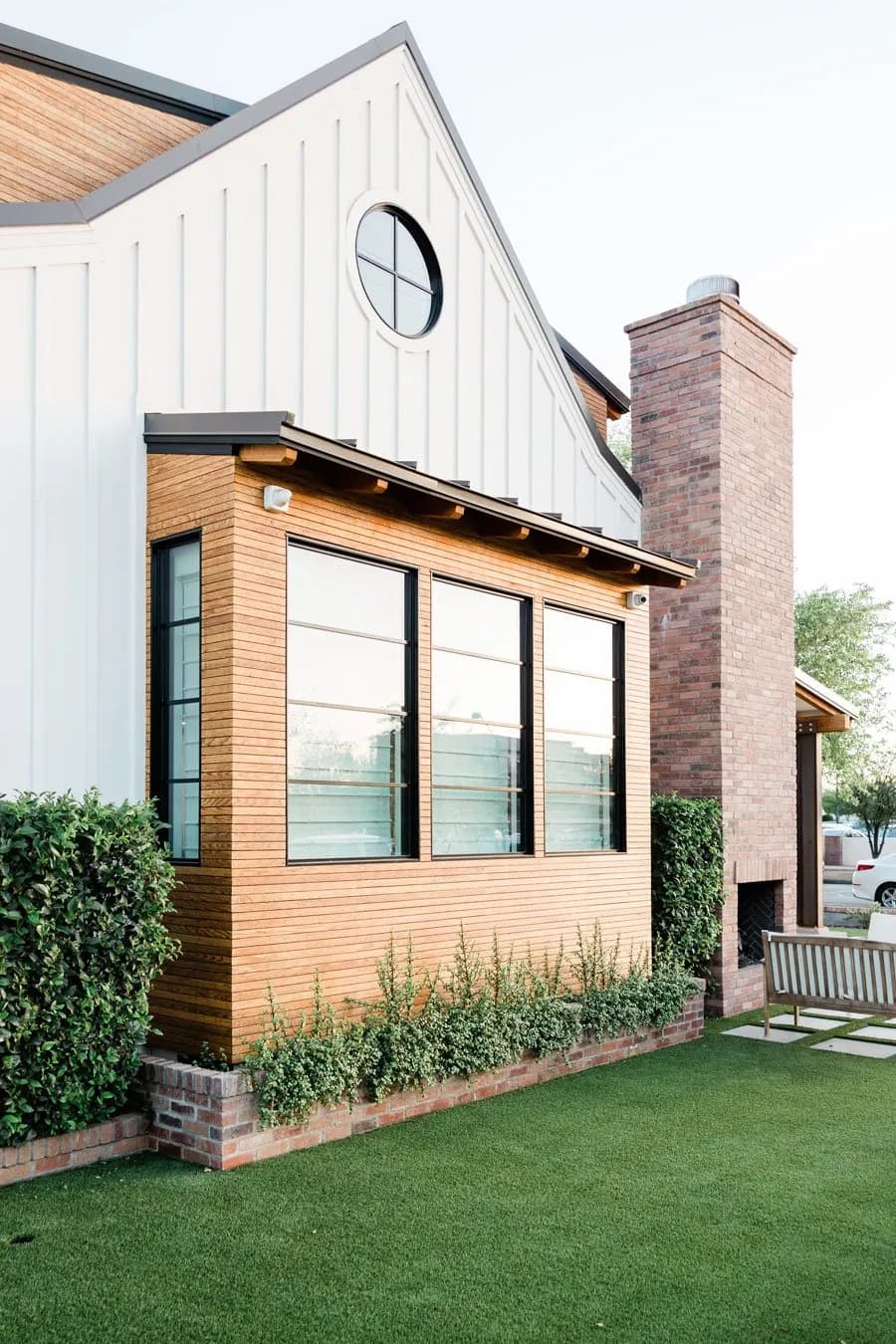
Protech Construction builds custom patios and outdoor living spaces across Hernando, Pasco, and Citrus counties. Florida's climate makes outdoor living a year-round possibility, and we design and build spaces that extend your home's footprint into the backyard. From simple concrete pads and paver patios to fully covered, screened, and equipped outdoor rooms with kitchens and fireplaces, we handle design, permitting, and construction. Call (352) 710-5455 for a free estimate.
Patio and Outdoor Living Costs in Central Florida
Outdoor living construction costs depend on the type of structure, materials, and features. Here is what Hernando County homeowners can expect in 2026:
Concrete Patios
- Basic concrete pad (broom finish): $8 to $15 per square foot installed. A 300-square-foot patio runs $2,400 to $4,500
- Stamped concrete: $12 to $25 per square foot. Stamped patterns mimic the look of pavers, stone, or brick at a lower cost than the real materials
- Stained or colored concrete: $10 to $20 per square foot. Integral color or acid staining adds visual interest to a standard concrete slab
Paver Patios
- Standard concrete pavers: $15 to $30 per square foot installed. Wide range of colors, patterns, and textures available
- Travertine or natural stone pavers: $25 to $50 per square foot installed. Premium appearance with natural variation
- Permeable pavers: $20 to $40 per square foot. Allow rainwater to drain through the joints, reducing runoff and meeting stormwater management requirements in some areas
Covered Patios
- Patio cover over existing slab: $20 to $60 per square foot for the roof structure alone. A 300-square-foot covered patio runs $6,000 to $18,000 for the cover
- New covered patio (slab + roof + columns): $50 to $150 per square foot complete. A 300-square-foot covered patio runs $15,000 to $45,000
- Insulated roof panels: Add $5 to $15 per square foot for insulated aluminum panels that reduce heat and noise compared to standard metal or shingle roofing
Screen Enclosures
- Screen enclosure over existing covered patio: $10 to $25 per square foot for screen panels and framing. A 300-square-foot enclosure runs $3,000 to $7,500
- New screened porch (complete structure): $50 to $175 per square foot including concrete pad, framing, roof, screen, lighting, and ceiling fan. A 300-square-foot screened porch runs $15,000 to $52,500
- Upgraded screen enclosure with knee walls: Solid lower walls (typically concrete block or composite material) with screen above. Adds privacy and wind protection. Add $15 to $30 per linear foot for knee wall construction
Outdoor Kitchens
- Basic outdoor kitchen: $7,000 to $15,000 for a built-in grill island with counter space, storage, and a small sink
- Mid-range outdoor kitchen: $15,000 to $35,000 for a larger island with grill, side burner, sink, refrigerator, and stone or tile countertop
- Premium outdoor kitchen: $35,000 to $60,000+ for a full outdoor kitchen with multiple cooking stations, pizza oven, bar seating, integrated lighting, and premium materials
Types of Outdoor Living Spaces We Build
Open Patio
An open patio is a ground-level surface (concrete, pavers, or natural stone) with no roof or enclosure. It is the foundation of most outdoor living spaces and the most affordable starting point. An open patio can be used as-is for furniture, grilling, and entertaining, or it can serve as the base for a future covered patio, screen enclosure, or outdoor kitchen.
In Florida, proper drainage is critical for any patio. We slope the surface a minimum of 1/4 inch per foot away from the home's foundation to prevent water from pooling against the house. For properties with drainage challenges, we install French drains or catch basins at the patio perimeter to direct water away from the structure.
Covered Patio (Lanai)
A covered patio adds a roof structure over the patio surface, providing shade from Florida's intense sun and protection from rain. This is the most popular outdoor living upgrade in our market because it makes the space usable during afternoon thunderstorms and reduces sun exposure that makes uncovered patios uncomfortable from April through October.
Roof options for covered patios include:
- Shingle or metal roof matching the home: Best appearance, integrates with the existing roofline, fully weatherproof
- Insulated aluminum panels: Lightweight, low maintenance, excellent heat and rain reduction, available in multiple colors
- Polycarbonate or acrylic panels: Allow light through while blocking rain. Not as effective for heat reduction but create a bright, airy feel
- Pergola (open rafters): Provides partial shade with an architectural presence. Not waterproof. Can be combined with retractable shade canopies for more flexibility
Screened Porch
The quintessential Florida outdoor room. A screened porch encloses the patio with aluminum-frame screen panels that keep out mosquitoes, no-see-ums, love bugs, and other insects while allowing airflow and maintaining the outdoor feel. In Hernando County, where evening insect pressure can be intense from March through November, a screened porch is often the difference between using your outdoor space and abandoning it.
We build screen enclosures with aluminum framing (the industry standard in Florida due to its resistance to rust, rot, and termites), charcoal or gray fiberglass mesh (provides better visibility than aluminum mesh), and heavy-duty corner gussets and compression bars for wind resistance.
Outdoor Kitchen
An outdoor kitchen turns your patio into a full entertaining and cooking space. At minimum, an outdoor kitchen includes a built-in grill island with counter space. More complete setups add a sink with running water, refrigerator, storage drawers, side burner, and bar seating. Premium outdoor kitchens can include pizza ovens, smokers, ice makers, kegerators, and fully integrated sound systems.
Key considerations for outdoor kitchens in Florida:
- Materials must be weather-resistant: Stainless steel appliances (316 marine-grade for coastal properties), concrete block or steel-frame islands with stone or tile cladding, and granite or quartz countertops that resist UV and moisture
- Plumbing for sinks and ice makers: Requires running water supply and drain lines to the outdoor kitchen. If the outdoor kitchen is far from the house, this can add $1,000 to $3,000 for plumbing
- Electrical for outlets, lighting, and appliances: Outdoor circuits require GFCI protection and weatherproof boxes. Dedicated circuits are needed for refrigerators and other high-draw appliances
- Gas line for grills and burners: Natural gas connection from the house is more convenient than propane tanks. Running a gas line typically costs $500 to $2,000 depending on distance
- Covered location is essential: Florida rain, sun, and humidity will deteriorate even high-quality outdoor kitchen components faster if they are not under a roof
Permitting Requirements
Not every outdoor project requires a permit, but most do in Hernando County. Here is a general guide:
- Open concrete pad (no roof, no structure): Typically does not require a building permit, but may require a zoning review if it is close to property lines or in a flood zone
- Paver patio (no roof): Generally does not require a permit unless it involves grading changes or drainage modifications
- Covered patio with roof: Requires a building permit. Plans must be submitted showing the roof structure, columns, footings, and attachment to the existing home (if attached)
- Screen enclosure: Requires a building permit. Must meet wind load requirements for Hernando County
- Outdoor kitchen with plumbing and gas: Requires building, plumbing, and gas permits
- Electrical work (lighting, outlets): Requires an electrical permit
We determine the permitting requirements during the design phase and handle all applications and inspections.
Timeline for Patio and Outdoor Living Projects
- Concrete or paver patio (open): 1 to 2 weeks
- Covered patio: 2 to 4 weeks
- Screen enclosure over existing patio: 1 to 2 weeks
- New screened porch (complete build): 3 to 6 weeks
- Outdoor kitchen (basic): 2 to 4 weeks
- Outdoor kitchen (premium with plumbing and gas): 4 to 8 weeks
- Complete outdoor living space (covered patio + screen + kitchen): 6 to 12 weeks
Add 2 to 4 weeks for design and permitting at the front end of any project requiring a building permit.
Paver Patterns and Design Trends for 2026
The paver pattern you choose affects both the appearance and structural performance of your patio. Here are the most popular patterns and when to use each one:
Herringbone
Interlocking pattern where pavers are laid at 45 or 90-degree angles. The herringbone pattern remains a favorite for its visual sophistication and superior structural stability. The interlocking arrangement resists shifting under foot traffic and vehicle loads (for driveways). Best for high-traffic areas, driveways, and pool decks.
Running Bond (Brick Pattern)
Pavers are staggered like a traditional brick wall. Clean, classic look that works with both traditional and modern homes. Easy to install and creates a linear, elongating effect that makes smaller patios feel larger. Best for walkways, standard patios, and areas where you want a clean, understated look.
Basketweave
Pairs of pavers alternate direction in a woven pattern. Traditional, formal appearance that works well with colonial and craftsman-style homes. Best for formal patios, entryways, and accent borders.
Random or Ashlar
Multiple paver sizes laid in a seemingly random pattern that actually follows a repeating unit. Creates a natural, organic look similar to flagstone. Best for pool decks, large patios, and areas where you want a relaxed, natural appearance.
Large-Format Pavers
The 2026 trend is moving toward larger paver sizes (18x18, 24x24, and even 24x36 inches) with minimal joint widths. Large-format pavers create a clean, modern aesthetic with fewer grout lines and a more seamless surface. They also install faster than smaller pavers, which can reduce labor costs on large projects.
Pavers with Grass Joints
A newer style where pavers are spaced with wider joints filled with grass or artificial turf. This creates a natural, permeable surface that allows water to drain while maintaining a manicured look. Popular for secondary walkways, garden patios, and areas where a softer, more natural aesthetic is desired.
Outdoor Lighting Design
Proper lighting extends the usability of your outdoor living space into evening hours and significantly improves safety. We incorporate lighting design into every patio and outdoor living project. The most effective outdoor lighting plans use multiple types of fixtures at different levels:
- Overhead lighting: Recessed can lights or pendant fixtures in covered patio ceilings provide general illumination for dining and entertaining. Ceiling fans with integrated light kits serve dual purpose
- Task lighting: Under-counter lights in outdoor kitchen areas, focused lights over grilling and prep surfaces. Essential for cooking after dark
- Accent lighting: Low-voltage landscape lights highlighting trees, garden beds, and architectural features. Uplighting on palms and specimen trees creates dramatic evening ambiance
- Step and path lighting: Small fixtures integrated into steps, retaining walls, and walkway edges for safety. LED paver lights embedded directly in the paving surface are a popular option that eliminates separate fixtures
- String lights: Bistro-style string lights across covered patios and pergolas create a warm, inviting atmosphere. We install permanent mounting points and dedicated outlets for string light installations
- Pool area lighting: Underwater LED pool lights, deck-level lights around the pool perimeter, and landscape lighting around the pool enclosure
We recommend low-voltage LED systems for all outdoor lighting because they are energy-efficient (90 percent less energy than incandescent), long-lasting (50,000+ hour lifespan), available in warm and cool color temperatures, and safe to install near water features and in-ground applications. All outdoor electrical work is installed with GFCI protection per Florida Building Code.
Florida-Specific Outdoor Living Considerations
Hurricane and Wind Resistance
Screen enclosures and covered patios in Florida must meet wind load requirements specified by the Florida Building Code. In Hernando County, this means designing structures to withstand sustained wind speeds of 130 to 140 mph. Aluminum screen enclosure framing, roof attachments, and screen panel connections must all be engineered for these loads. We use hurricane-rated framing systems and submit engineered plans to the county for all covered and enclosed outdoor structures.
Drainage and Grading
Florida's flat terrain and high water table make drainage planning critical for any patio project. We slope all patio surfaces away from the home and install drainage solutions where needed to prevent standing water. In areas with poor drainage, we may recommend a French drain system, catch basins, or permeable paving materials.
Insect Management
Screen mesh selection matters in Florida. We use 18x14 mesh (the standard for residential screen enclosures) which blocks most flying insects. For properties near wetlands or in areas with heavy no-see-um pressure, we offer 20x20 mesh which provides finer filtration at the cost of slightly reduced airflow and visibility.
Sun Exposure and Material Selection
Florida's intense UV radiation degrades many outdoor materials faster than in northern climates. Aluminum framing resists UV better than wood and does not require painting or staining. Screen mesh should be fiberglass (more UV-resistant than aluminum mesh and does not dent). Outdoor kitchen countertops should be granite or concrete (quartz can discolor in direct UV). Furniture fabrics should be solution-dyed acrylic (Sunbrella or equivalent) for maximum fade resistance. We specify UV-appropriate materials for every component of your outdoor living space to ensure longevity in Florida's sun.
Pool Enclosure Integration
If you have or plan to install a pool, the patio and pool enclosure should be designed as an integrated system. In Florida, pool enclosures are required by code for residential pools as a safety barrier. We design patio and pool enclosure projects together so the screen structure, patio surface, drainage, and lighting work as a unified outdoor living space rather than separate structures added at different times. A unified design also saves money compared to building the patio first and adding the enclosure later, because the foundation, framing, and electrical can be planned and installed in one mobilization rather than two.
Choosing the Right Patio Surface for Florida
The surface material you choose affects the look, feel, maintenance, and longevity of your patio. Here is how the most common options compare in Florida's climate:
Concrete vs. Pavers
Poured concrete is the most affordable option and provides a clean, uniform surface. The downside is that concrete cracks over time, especially in Florida where sandy soil shifts and tree roots expand underneath. Repairing a cracked concrete patio means cutting out the damaged section and pouring a patch, which is visible and never quite matches the original.
Pavers cost more upfront but offer a significant advantage: individual pavers can be removed and replaced without affecting the surrounding surface. If a tree root lifts a section, the pavers are pulled up, the root is cut, the base is re-leveled, and the pavers go back in. If a paver cracks from impact, one paver is replaced, not a section of slab. Over a 20-year lifespan, pavers typically cost less in total maintenance than poured concrete despite the higher initial investment.
Travertine and Natural Stone
Travertine pavers are the premium choice for Florida pool decks and patios because the stone stays cool underfoot even in direct sun, something concrete and most manufactured pavers cannot do. Natural stone also provides a unique, high-end appearance that manufactured products cannot replicate. The tradeoff is higher cost ($25 to $50/SF installed) and the need for periodic sealing to prevent staining and moisture absorption.
Composite Decking
For elevated outdoor spaces (second-floor balconies, raised decks over uneven terrain), composite decking provides a wood-like appearance without the maintenance requirements of real wood. Composite does not rot, warp, or require staining, which matters in Florida's humidity. However, composite surfaces get hot in direct sun and are not ideal for ground-level patios where concrete or pavers provide a more durable and cooler surface.
Patio Construction Services
- Concrete patio construction (broom finish, stamped, stained, colored)
- Paver patio installation (concrete, travertine, natural stone, permeable)
- Covered patio and lanai construction
- Screen enclosure installation and replacement
- Outdoor kitchen design and construction
- Pergola and shade structure construction
- Deck construction (composite and hardwood)
- Retaining wall construction
- Outdoor lighting installation
- Ceiling fan and electrical for outdoor rooms
- Drainage and grading for patio areas
Service Areas
Patio Construction across Central Florida
Licensed and insured, working throughout Hernando, Pasco, and Citrus counties.
FAQ
Frequently Asked Questions
How much does a covered patio cost in Hernando County?
+
Do I need a permit for a patio?
+
How long does patio construction take?
+
Can you build an outdoor kitchen?
+
What type of screen mesh do you use?
+
Will a patio increase my property taxes?
+
Construction Knowledge
Articles and guides for Central Florida homeowners
VA & FHA One-Time-Close Construction Loans in Florida: $0-Down Builds and How Land Equity Counts
VA and FHA one-time close loans let you finance the lot, the build and the 30-year mortgage in one closing with zero or 3.5 percent down. Here is how each works in Florida in 2026, what they cost and how your land equity counts.
Read ArticleHurricane Prep for an Active Florida Build: Frame Stage
The wind rating in your plans belongs to the completed assembly, not to the lumber standing on your slab. Here is what actually protects a Florida house between the framing inspection and dry in: the named storm endorsement most base policies leave out, the percentage deductible that swallows a realistic loss, BCSI truss bracing, and the delivery decision made five days out that prevents more damage than anything done in the last 24 hours.
Read ArticleFlorida Construction Material Costs: What 2027 Holds
A flat monthly price reading sitting on top of a 7 percent year is not stability, it is a plateau at an elevated level. Here is what the verified 2026 data says, what is actually locked in for 2027, and what is guesswork dressed up as a forecast.
Read ArticleReady to Build?
Get your free evaluation today.
No-pressure consultation. We serve Hernando, Pasco, and Citrus counties. Call us now or request a visit online.