Home Additions · Dade City, FL
Home Additions in Dade City, FL
Home additions in Dade City, FL. Master suites, bonus rooms, sunrooms, in-law suites. Historic home compatibility. Licensed CBC1268979.
Call (352) 710-5455Protech Construction designs and builds home additions for Dade City families expanding historic bungalows, ranch homes, and newer subdivision properties. Adding space to a historic Dade City home requires careful attention to architectural compatibility, while additions on newer homes follow more standard approaches. Call (352) 710-5455 for a free Dade City consultation.
Home Addition Demand in Dade City
Dade City's rapid growth since 2020 has pushed home prices and demand for existing properties upward. For many Dade City homeowners, adding space to their current property makes more sense than moving to a larger home in the competitive local market. Additions allow families to stay in neighborhoods they love, keep children in established schools, and avoid the substantial costs of selling, buying, and relocating.
The mix of Dade City housing creates an unusually wide range of addition scenarios. Owners of 1920s craftsman bungalows need additions that respect historic architectural character. Owners of 1970s ranch homes need additions that integrate seamlessly with existing construction. Owners of newer subdivision homes need additions that match builder aesthetics and comply with HOA requirements where applicable. Each scenario requires different design and construction approaches.
Typical Dade City addition projects include master suite additions (master bedroom plus master bathroom, sometimes with walk-in closets), second story additions (adding an entire floor above existing construction), bonus room additions (flexible space that can serve as home office, playroom, media room, or guest space), sunroom or Florida room additions (glass-enclosed living space taking advantage of Florida weather), in-law suite additions (self-contained living space for aging parents or adult children), and garage additions with living space above.
Historic Home Addition Challenges
Adding to a historic Dade City craftsman bungalow presents specific architectural challenges that additions on newer homes do not face. The goal is typically an addition that reads as original to the home, not as a modern afterthought. Achieving this requires careful attention to several design elements.
Roof lines must match the original home in pitch, overhang, and style. Craftsman bungalows typically have low-slope gable or hip roofs with deep overhangs and exposed rafter tails, all of which must be replicated in additions. Siding materials and profiles need to match original lap siding, shingle siding, or board-and-batten patterns that distinguish craftsman architecture. Window selection and placement should match original window styles, typically double-hung with specific divided light patterns. Exterior trim details including corner boards, window casings, door casings, and frieze boards need to match original profiles. Foundation treatments should match original raised foundations with period-appropriate skirt materials and ventilation.
Most importantly, the addition should be visually recognizable as an addition when carefully examined (historic preservation guidelines typically require this distinction) while reading as compatible with the original home at first glance. This balance requires experienced architectural judgment and careful execution.
Master Suite Additions
Master suite additions are the most common home addition type in Dade City. Homeowners want larger primary bedrooms, attached private bathrooms with modern features, and walk-in closets that original homes (especially historic properties) rarely provided. The typical master suite addition in Dade City adds 350 to 600 square feet including the bedroom, bathroom, and closet spaces.
Design considerations include lot placement (where on the property the addition will sit without compromising setbacks or outdoor space), connection to the existing home (how the new master suite connects to existing hallways and living areas), HVAC integration (whether the existing system can handle the additional load or requires supplemental equipment), roof integration (how the addition's roof ties into the existing roof), and exterior consistency (matching siding, windows, and trim to the existing home).
Typical Dade City master suite addition costs run $85,000 to $180,000 depending on size, finishes, and site conditions. Historic home master suite additions typically fall at the higher end of this range due to the additional care required for architectural compatibility. Newer home master suite additions may come in at the lower end when the existing construction is straightforward to modify.
Second Story Additions
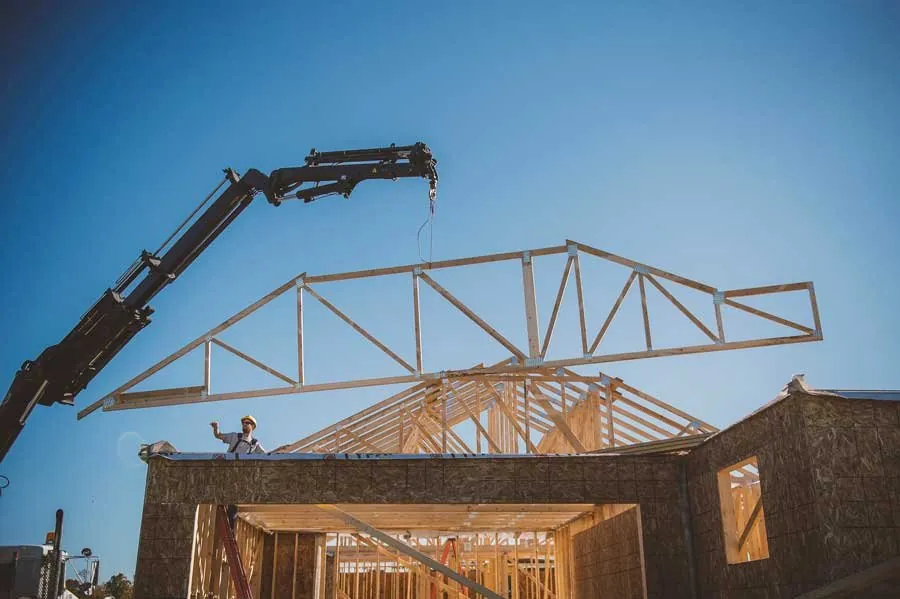
Second story additions are less common in Dade City than in communities with smaller lots, but they make sense for certain properties. Adding a second floor preserves valuable yard space (particularly important on smaller historic district lots) and can double available square footage on a tight site. The tradeoffs include substantial disruption to the main floor during construction, structural reinforcement of existing foundations and framing, and exterior aesthetics that must still integrate visually with the neighborhood.
Second story additions in Dade City typically require temporary relocation of homeowners during construction due to the extensive work opening the existing roof and adding an entire floor above. Construction typically takes 6 to 10 months. Costs range from $150,000 to $350,000 depending on square footage and complexity.
Sunroom and Florida Room Additions
Sunrooms and Florida rooms take advantage of Dade City's mild climate (with occasional cold snaps) by creating glass-enclosed living spaces that blur the boundary between interior and exterior. These additions work well for morning coffee, afternoon reading, casual dining, and entertaining in semi-outdoor settings without the discomfort of direct sun, insects, or rain.
Design choices range from screened-only porches (lowest cost at $15,000 to $28,000), to screened porches with weatherproof features like vinyl windows ($22,000 to $42,000), to fully enclosed three-season rooms with glass windows but limited climate control ($32,000 to $65,000), to fully conditioned Florida rooms that function as year-round living space ($45,000 to $95,000). Dade City's climate supports any of these options effectively, and the choice depends on how the space will be used and the homeowner's budget.
In-Law Suite Additions
In-law suite additions are increasingly common in Dade City as multi-generational households become more prevalent. These additions typically include a bedroom, bathroom, kitchenette or full kitchen, and living area as a self-contained unit that shares exterior walls with the main home but has its own entrance and privacy. Pasco County allows accessory dwelling units with certain restrictions, and we verify current regulations during initial consultation.
In-law suite additions in Dade City typically run $95,000 to $220,000 depending on size, finish level, and whether the kitchen is a simple kitchenette or a full second kitchen. The addition must meet setback, lot coverage, and parking requirements for the specific property and zoning district.
Dade City Home Addition Costs
- Small addition ($45,000 to $85,000): 150 to 300 square feet. Bump-out for larger kitchen or bathroom, small bonus room, or dining room extension
- Medium addition ($85,000 to $180,000): 300 to 600 square feet. Master suite, larger family room, or combination spaces
- Large addition ($180,000 to $350,000): 600 to 1,000 square feet. Multi-room additions, second story, or in-law suite
- Major addition ($300,000 to $600,000+): 1,000+ square feet. Full wing additions, comprehensive second stories, or combination addition and remodel projects
Permitting Dade City Home Additions
Home additions in Dade City require comprehensive permit packages through either the City of Dade City Building Department or the Pasco County Building Department depending on property location. Permit review for additions typically takes 4 to 10 weeks due to the structural, electrical, plumbing, mechanical, and site plan reviews required. Historic district properties may require additional architectural review board approval before permits are issued.
Required permits include building permits covering structural work and framing, electrical permits covering new circuits and service expansion if needed, plumbing permits for new fixtures or supply and drain extensions, mechanical permits for HVAC modifications, and site permits addressing setbacks, lot coverage, and stormwater management. Survey documentation is typically required to confirm setback compliance and verify the existing conditions.
The 50 Percent Rule
Florida substantial improvement rules apply to home additions that exceed 50 percent of the pre-addition property value. When additions cross this threshold, the entire home must be brought up to current code including flood elevation requirements for properties in flood zones. This rule rarely affects Dade City additions because property values are typically high enough that most addition projects stay below the 50 percent threshold, but we calculate the ratio during initial planning for any large addition project.
Timeline for Dade City Home Additions
- Initial consultation and site measurement (week 1)
- Conceptual design and budget discussion (weeks 2 to 4)
- Final design with drawings suitable for permit submission (weeks 4 to 8)
- Contract signing and material selection (week 8)
- Permit application and plan review (weeks 9 to 16)
- Material procurement and scheduling (overlapping with permitting)
- Site preparation and foundation work (weeks 16 to 20)
- Framing and roof installation (weeks 20 to 24)
- Rough-in electrical, plumbing, and HVAC (weeks 24 to 28)
- Inspections of rough-in work
- Insulation, drywall, and initial finishes (weeks 28 to 32)
- Flooring, trim, cabinets, and fixtures (weeks 32 to 36)
- Painting and final details (weeks 36 to 38)
- Final inspections and walkthrough (week 38)
Total timeline for medium Dade City home additions runs 7 to 10 months from initial consultation through project completion. Larger additions extend to 10 to 14 months. Historic home additions typically add 2 to 4 weeks for architectural detail work and compatibility verification during design and construction phases.
Why Dade City Families Choose Protech for Additions
Home additions integrate new construction with existing structures, which is more complex than building from scratch. The work requires understanding how the original home was built, identifying any issues that must be addressed during addition work, designing the new space to integrate functionally and aesthetically with existing areas, and executing construction without damaging the existing home. Our Brooksville office has completed additions throughout the Dade City area on homes of every era and style.
As a Florida Certified Building Contractor (license CBC1268979), we carry full insurance, pull all required permits, manage all trades directly, and back every addition with a one-year workmanship warranty. Call (352) 710-5455 to schedule a free consultation at your Dade City home and discuss what your specific addition project would involve.
Common Dade City Addition Mistakes
- Ignoring architectural compatibility on historic homes: Additions that clash with the original home's style permanently diminish the home's value and curb appeal
- Insufficient HVAC capacity: Adding space without verifying HVAC can handle the load creates comfort problems and premature equipment failure
- Poor site planning: Additions that consume too much yard, violate setbacks, or block natural light from existing rooms create regret
- Rushed design: Quality additions require thorough design work before construction begins. Shortcut design leads to construction problems and suboptimal results
- Overlooking connection points: How the addition meets the existing home determines both aesthetic success and structural integrity. These details deserve careful attention during design
A well-designed Dade City home addition expands family living space, adds property value, and integrates so naturally that it feels like it was always part of the home. We pursue that outcome on every Dade City addition project with careful design, quality construction, and attention to the details that distinguish excellent work from merely adequate additions throughout the entire process from start to finish.
Foundation Options for Dade City Additions
Foundation design for Dade City additions depends on the existing home's foundation type, the addition size and weight, and the specific soil conditions on the property. Dade City's underlying geology includes sandy topsoils over clay and occasional limestone, which can create varying bearing capacity across a single property. Foundation decisions made during design significantly affect cost, timeline, and long-term performance.
The most common foundation types for Dade City additions include monolithic concrete slab foundations (most cost-effective for single-story additions on flat sites), stem wall foundations with slab floors (used where the existing home has a raised foundation and the addition must match the elevation), pier and beam foundations (used for historic home additions where the original home has a crawl space and matching construction is appropriate), and deep footing foundations with reinforced slabs (used in areas with weaker soil conditions or for heavy two-story additions).
Geotechnical investigation is typically not required for small single-story additions but becomes important for larger projects or sites with visible drainage issues, signs of soil movement, or proximity to mature trees with extensive root systems. When geotechnical work is needed, it adds $1,500 to $4,500 to project cost but prevents expensive foundation problems after construction.
Matching Existing Exterior Finishes
One of the most challenging aspects of home additions is matching the existing home's exterior finishes so closely that the addition appears original rather than clearly added. This matching work becomes especially critical on historic Dade City homes where even small discrepancies in siding profile, paint color, or trim detail immediately reveal the addition as new work.
Siding matching strategies include sourcing identical siding materials where the original manufacturer still produces the product, working with custom mill shops to recreate historic siding profiles that are no longer commercially available, carefully blending slight profile differences at natural transition points where viewers are unlikely to notice minor variations, and strategic use of architectural features like bump-outs or recesses that provide visual breaks between original and new siding runs.
Paint matching requires color analysis of the existing home, sometimes including paint chip testing to identify exact colors for precise matching. Weathered exterior paint is rarely the exact color that went on the wall originally, so matching the aged appearance sometimes requires custom color mixing rather than specifying a standard manufacturer color. For historic homes with heavily weathered finishes, intentional aging techniques can help new paint blend with surrounding surfaces more quickly.
Connecting Additions to Existing Mechanical Systems
Additions must integrate with existing home systems including HVAC, electrical, plumbing, and sometimes low-voltage systems like home networking or security. Planning these connections carefully during design prevents problems during construction and delivers better long-term performance.
HVAC integration decisions depend on existing system capacity. If the current system has reserve capacity for the additional square footage (determined through Manual J load calculations), we can simply extend ductwork into the addition with new registers and returns. If the existing system is already working at or near capacity, we need to either upsize the existing equipment, add a supplemental mini-split or zoned system for the addition, or install an entirely new system sized for the complete home including the addition. Each approach has different cost implications that we analyze during early design phases.
Electrical integration typically requires adding new circuits from the existing panel or upgrading the panel to accommodate the addition's electrical load. Older Dade City homes with 100-amp or smaller service panels often need service upgrades to 200 amps to handle additions, particularly when the addition includes a kitchen, laundry, or high-draw appliances. Service upgrades typically cost $2,500 to $5,500 depending on utility coordination requirements.
Plumbing integration runs new supply and drain lines from the existing mechanical core of the home into the addition. For additions far from existing plumbing, this can require substantial trenching under slabs, running lines through crawl spaces, or coordinating with existing fixtures to minimize runs. Careful planning during design optimizes plumbing layout and minimizes cost.
Dade City Zoning and Setback Considerations
Dade City and Pasco County zoning regulations specify minimum setbacks from property lines, maximum lot coverage percentages, height limits, and other dimensional standards that constrain addition design. Understanding applicable regulations during initial planning prevents design iterations later when permit review reveals compliance issues.
Typical residential zoning in Dade City requires front yard setbacks of 20 to 25 feet, rear yard setbacks of 15 to 25 feet, and side yard setbacks of 5 to 10 feet depending on lot size and zoning designation. Lot coverage (the percentage of the lot covered by buildings and impervious surfaces) is typically limited to 30 to 45 percent depending on zoning. Height limits vary but are typically 30 to 35 feet for residential properties.
When proposed additions would violate dimensional standards, homeowners can apply for variances through the applicable zoning board. Variance applications require demonstrating hardship and are not guaranteed to be approved. We evaluate whether variance is likely to be granted during early design and help homeowners understand their options if dimensional constraints require redesign.
Service Areas
General contracting across Central Florida
Licensed and insured construction services throughout Hernando, Pasco, and Citrus counties.
All Services
Every service Protech offers
By Area
Home Additions and related services near Dade City
FAQ
Frequently Asked Questions
How much does a home addition cost in Dade City?
+
Can you add onto historic Dade City homes?
+
Can you build a second story addition in Dade City?
+
Do I need to live elsewhere during a Dade City addition?
+
How long does a Dade City addition take?
+
What permits are needed for Dade City additions?
+
From the Blog
Construction knowledge for Central Florida homeowners.
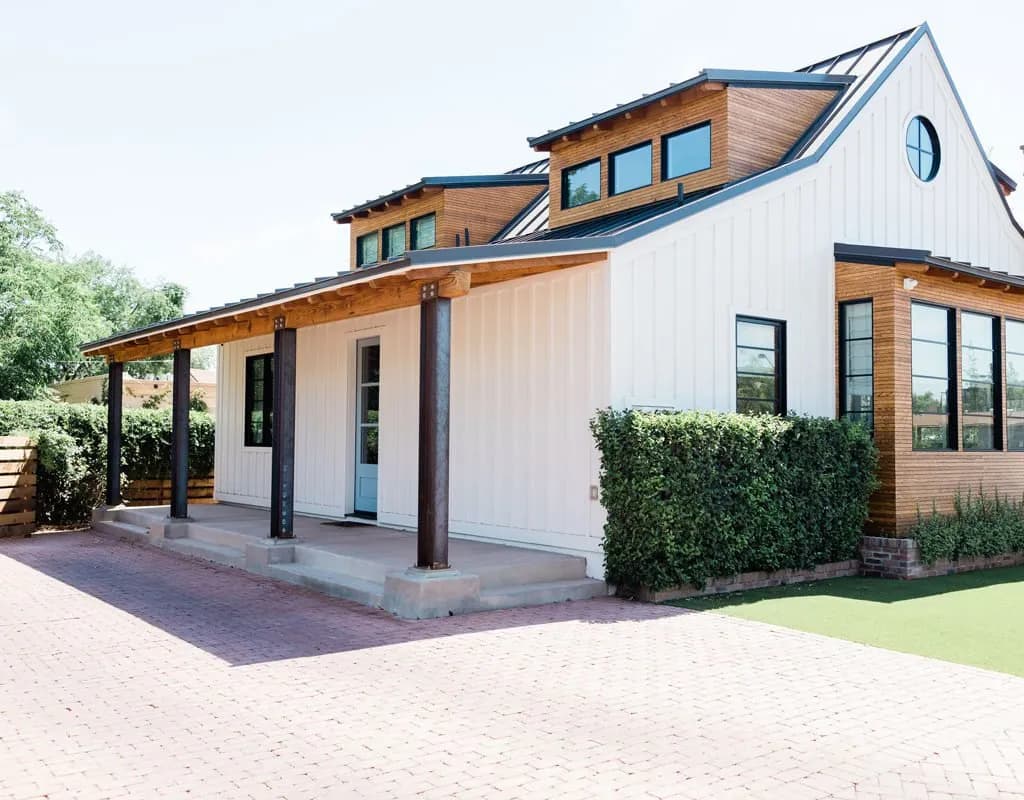
Screened Porch Additions in Florida: Real Costs for an Attached Screen Room, Not a Pool Cage
Three contractors can quote a screened porch $30,000 apart and all be honest, because they are pricing three different projects. Here is what a roofed screened porch addition really costs in Florida, where the roof tie-in decides the budget, and when a screen room is the better buy.
Read Article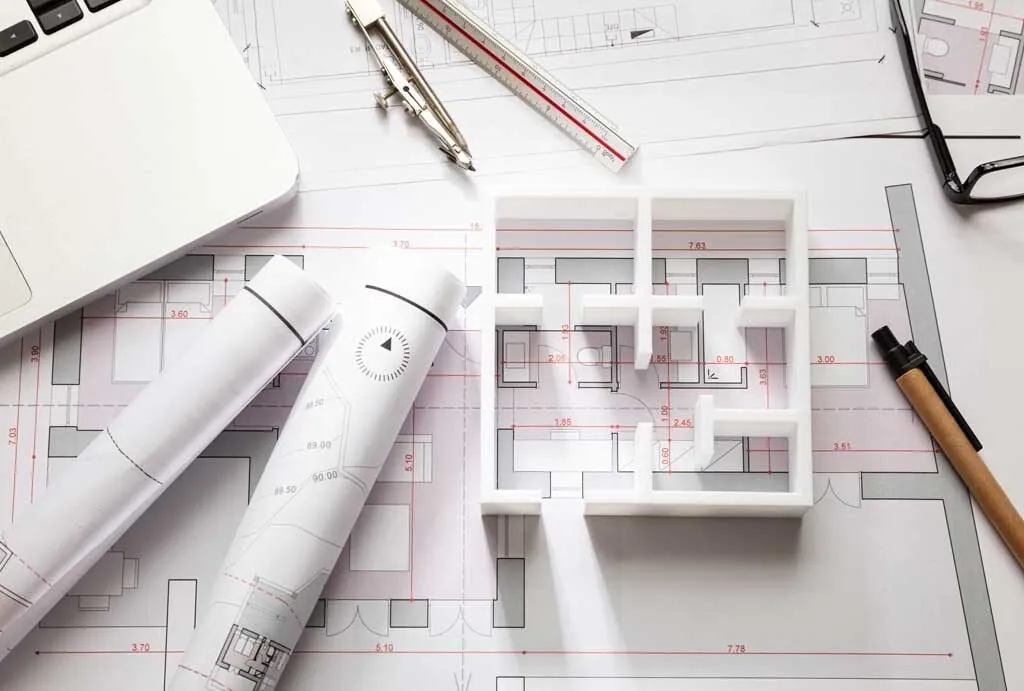
Elevated and Piling Home Cost in Florida: 2026 Guide
The flood zone tells you how high the floor has to be. It does not tell you what that height costs, and the numbers floating around the internet are off by a factor of three. Stem wall runs about $5 per square foot over slab on grade. A complete piling foundation runs $50,000 to $90,000, which on a 2,400 square foot home is closer to $31 per square foot than the $100 to $150 figure commonly quoted. Here is the honest breakdown, foundation by foundation.
Read Article
Multigenerational Home Layouts in Florida: 6 Plan Moves
Nearly every production floor plan in Central Florida is a split-bedroom 3/2 designed for a nuclear family, and dropping three generations into it fails in predictable places: one shared wall, two bathrooms, one thermostat, and a great room that everyone has to walk through. Here are the six plan decisions that actually buy privacy, what each one adds to a build budget, and the single line in Florida statute that turns a suite into a second dwelling unit.
Read ArticleReady to Build?
Get your free evaluation today.
No-pressure consultation. We serve Hernando, Pasco, and Citrus counties. Call us now or request a visit online.